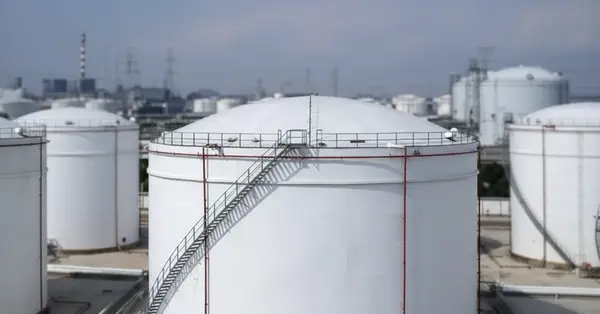
Storage tank projects remain critical assets for oil and gas, petrochemical, power and water industries. As systems become more complex and operational requirements grow stricter, engineering teams face a long list of technical and managerial obstacles that can delay delivery, increase costs, or introduce safety risks. Understanding the core Challenges in Storage Tank Projects is essential for executing installations that comply with international standards, withstand long-term operational loads and remain cost-effective. This comprehensive guide explores both technical and organizational complexities using real industry practices, addressing every major challenge from soil investigation to coordination, safety systems and successful commissioning. The article is developed for teams working at opm-group and industry professionals seeking a single, authoritative reference to plan and execute storage tank work with full clarity.
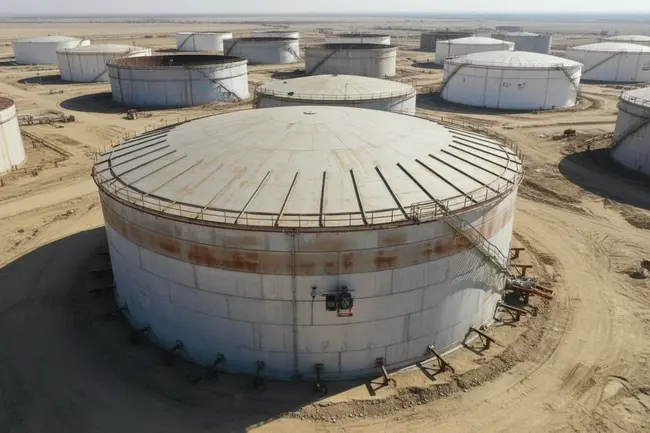
Before diving into details, it is important to understand why Common Challenges in Storage Tank Projects consistently affect schedules, cost performance and long-term reliability. These projects typically include multiple engineering disciplines, strict safety codes and sequential construction processes where delays in one phase affect all remaining phases. Geotechnical issues, material procurement delays, welding quality concerns, corrosion mechanisms and operational constraints in live plants are just a few examples. Every challenge involves technical evaluation, regulatory compliance and multi-team coordination, which makes storage tank delivery one of the most demanding tasks in industrial infrastructure development.
A proper geotechnical assessment is the first essential step in every tank project. Soil bearing capacity, subsurface water levels, settlement behavior and material variability directly influence the tank foundation design.
Without accurate soil classification and settlement predictions, foundations may crack, tilt, or deform under tank loads. This can introduce long-term operational hazards and high maintenance costs.
A complete investigation helps engineers select appropriate foundation types such as ring walls, piled foundations, or improved soil bases. Detailed reports also support reinforcement thickness decisions, ground improvement strategies and load-distribution planning.
Improperly managed settlement remains one of the most expensive failure points in tank projects. Vertical or differential settlement can distort the tank shell, stress the bottom plates and compromise operational safety.
Material delays can stop construction progress immediately. In almost all Challenges in Storage Tank Projects , procurement issues are at the center of schedule overruns.
Welding quality defines the structural reliability of tanks. Every weld, especially in shell courses, must meet international codes such as API 650 or API 653.
Certified welders and approved WPS/PQR documents ensure consistent weld penetration, strength and defect-free results.
Magnetic particle testing, radiography, ultrasonic testing and visual inspection are necessary at every step. Tracking weld maps and corrective actions is a core discipline in tank construction.
Corrosion can rapidly reduce tank life and introduce serious operational hazards, especially in large‑scale storage facilities where structural integrity is critical for safe and reliable operation. Without proactive monitoring, surface preparation, high‑performance coating application and periodic inspection, corrosion gradually weakens shell plates, nozzles, roof structures and tank bottoms—leading to costly repairs, unexpected downtime, or even leak and spill incidents. Effective internal and external corrosion management is therefore essential to maintaining longevity, operational safety and regulatory compliance in modern storage tank projects.
Stored medium properties, temperature and chemical interactions often cause corrosion at the bottom plates and internal shell surfaces. Protective coatings, cathodic protection systems and proper cleaning operations mitigate most risks.
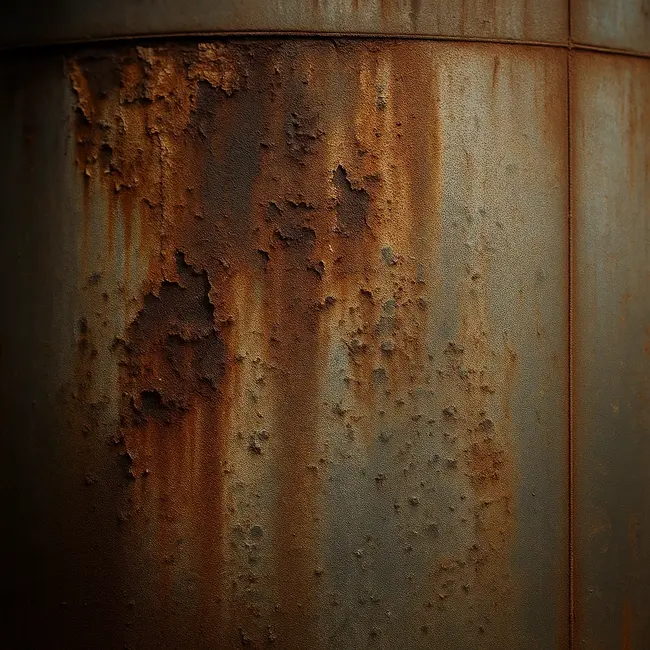
Atmospheric conditions, humidity and rainwater accumulation make external tank surfaces vulnerable. Regular inspection cycles, coating repair and drainage systems ensure long-term protection.
One of the Common Challenges in Storage Tank Projects is constantly face dynamic thermal and pressure conditions driven by environmental changes, product properties and operational cycles. Effective control of these variations is essential to avoid structural stress, maintain tank integrity and ensure safe performance throughout the tank’s service life. Managing temperature and pressure is also a regulatory requirement under many international standards, including API 650, API 620 and NFPA guidelines, which enforce strict limits for allowable stresses and venting capabilities.
Temperature fluctuations cause steel components to expand and contract repeatedly. This seemingly simple phenomenon can create significant structural challenges when not properly controlled.
Prolonged heating during summer, steam cleaning cycles, solar radiation, or fluctuations in stored fluid temperature can gradually increase stress levels within the tank. Expansion affects critical structural zones such as:
If not managed, these stresses may lead to plate deformation, weld fatigue, gasket leaks, or long-term loss of circularity.
Fluctuating pressures inside storage tanks occur due to filling and emptying cycles, liquid movements, temperature-driven vapor generation and emergency upset scenarios. To prevent tank rupture, implosion, or structural buckling, multiple pressure‑control devices must work together seamlessly.
Key pressure‑control mechanisms include:
Temperature and pressure are interconnected variables. As temperature rises, vapor pressure increases; as temperature drops, internal vacuum may form. Successful tank design integrates both factors through:
This integrated approach ensures the tank remains stable, avoids excessive shell deformation, maintains product quality and complies with safety standards—even under rapidly changing operating conditions.
Fire protection stands among the most heavily regulated and safety‑critical elements of any storage tank project. Due to the high volume of flammable or hazardous materials stored inside tanks, even minor failures can escalate into large‑scale fires, explosions, or environmental disasters. For this reason, global standards such as NFPA 11, NFPA 30, API 650, API 2001 and local regulatory frameworks enforce strict requirements for fire suppression systems, venting capacities, spill mitigation and emergency readiness. Properly addressing these requirements is a core element of successful tank engineering and one of the most important Challenges in Storage Tank Projects.
Engineers rely on automated foam injection systems, cooling water rings and fire monitors. These systems require precise hydraulic calculations and safety zoning.
Double-bottom designs, leak detection systems and periodic settlement monitoring reduce environmental and operational risks.
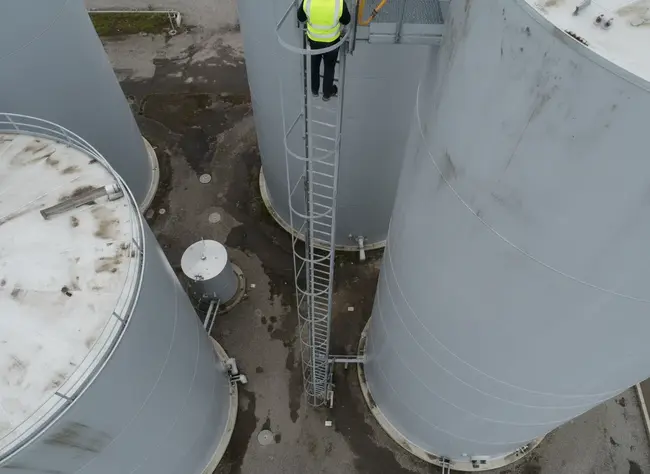
Working at height remains one of the most critical safety concerns in storage tank construction. Tank roofs, shell courses, scaffolding platforms and temporary access structures all require personnel to work several meters above ground—often in exposed, windy, or unstable environments. Because even small mistakes at height can lead to severe injuries or fatalities, this area represents one of the most significant Challenges in Storage Tank Projects and demands strict control, planning, and supervision.H3
Fall-protection systems, scaffolding certifications and continuous supervision reduce incidents.
Lifting operations, confined space entry and roof installation must follow detailed procedures, toolbox talks and emergency-readiness protocols.
Roof air‑raising is one of the most complex and safety‑critical activities in storage tank construction. This method allows large roof structures—often weighing tens of tons—to be lifted gradually using controlled internal air pressure. While it significantly reduces the need for heavy lifting equipment and ensures uniform elevation, it also introduces a set of technical and safety challenges that must be managed with precision
During an air‑raising operation, a temporary air supply system introduces low‑pressure air into the sealed tank shell. As pressure increases, the roof separates from its support jacks and begins to rise uniformly. The pressure levels are deliberately kept within strict limits—high enough to lift the roof, yet low enough to avoid overstressing the shell plating or deforming structural components.
Multiple teams must coordinate instrumentation, air supply, safety barriers and measurement tools to ensure a smooth lift.
Poor communication among design, construction and operations teams is one of the primary causes of project delays and cost overruns. When information does not flow clearly and consistently, teams may interpret drawings differently, select incompatible materials, or perform work that later needs to be redone
Effective alignment between design and construction begins with thorough design reviews, detailed constructability assessments and interactive model walkthroughs. These activities allow construction teams to identify potential challenges early and provide feedback before work begins on‑site. By integrating practical construction insights into the design phase, the project minimizes errors, avoids unnecessary modifications and ensures smoother execution. This proactive collaboration results in better resource planning, improved scheduling accuracy and fewer disruptions during critical phases of construction.
Early involvement of operations teams ensures that the tank’s design supports long‑term functionality, easy maintenance and safe operation. Their input helps confirm that process requirements, accessibility for inspections and safety considerations are fully incorporated into the design package
Storage tanks must comply with international standards, local regulations, process safety rules and environmental laws. Auditors typically check drawings, welding records, hydrotest reports, foundation assessments and safety certificates. Teams should build an auditable trail from design to commissioning, ensuring every step is documented and traceable.
Many storage tank projects occur inside live refineries or petrochemical plants where shutdown windows are limited. Construction teams must coordinate with operations to avoid disruptions to pipelines, utilities and safety systems. Hot work, lifting, electrical tasks and confined space entry require detailed authorization and real-time supervision.
Effective management of resources, manpower and equipment is one of the most decisive factors in controlling total project cost. Storage tank construction involves multiple parallel work fronts—foundation preparation, tank shell erection, welding activities, NDT inspections, roof installation, coating works and integration with piping and instrumentation. Without structured planning and allocation, these tasks can easily overlap inefficiently, causing delays, resource bottlenecks, excessive equipment standby time, or cost overruns.
Cranes, welding machines, loaders and scaffolding materials must be scheduled precisely to minimize idle time.
Skilled welders, inspectors, safety officers and supervisors should be distributed across critical paths to prevent bottlenecks.
Understanding and managing the Common Challenges in Storage Tank Projects is the foundation of successful tank development. From soil investigation and foundation engineering to procurement, welding, corrosion control, operational safety and team coordination, every phase presents its own critical risks. Organizations such as OPM group apply structured processes, proven engineering methods and strict safety compliance to ensure that every storage tank meets performance expectations throughout its lifecycle. By addressing these challenges proactively, project teams can reduce cost overruns, prevent safety incidents and deliver reliable, long-lasting infrastructure for industrial operations.
At OPM Group, we deliver comprehensive PMC tailored to ensure the successful execution of complex industrial and infrastructure projects.Our expertise spans from the bidding stage through to project completion, providing robust support at every phase.
Stay updated with the latest security trends offers by subscribing to our newsletter.
Copyright © 2025 All Rights Reserved.