At OPM Group, we specialize in providing comprehensive design, study and engineering management services designed to deliver excellence and efficiency across all stages of industries, data centers, oil & gas and construction projects. With offices in Germany covering Europe and middle east as well as in Canada servicing North America, we bring global expertise to local projects, ensuring consistency, quality, and performance.
Our services encompass the full spectrum of engineering management, from initial project planning to execution, commissioning, and handover. By integrating advanced project management methodologies, engineering project management principles, and industry best practices, we provide clients with a reliable partner capable of handling complex multi-disciplinary projects.
We also act as oil and gas engineering consultants, offering specialized insights into safety, compliance, and technical optimization. Through structured workflows and a meticulous approach to construction engineering management and engineering design management, OPM Group ensures that every project phase is carefully controlled and documented.

Our technical management services are the foundation for effective project execution. They ensure that engineering teams operate efficiently, resources are allocated appropriately, and technical standards are strictly adhered to throughout the lifecycle of each project.
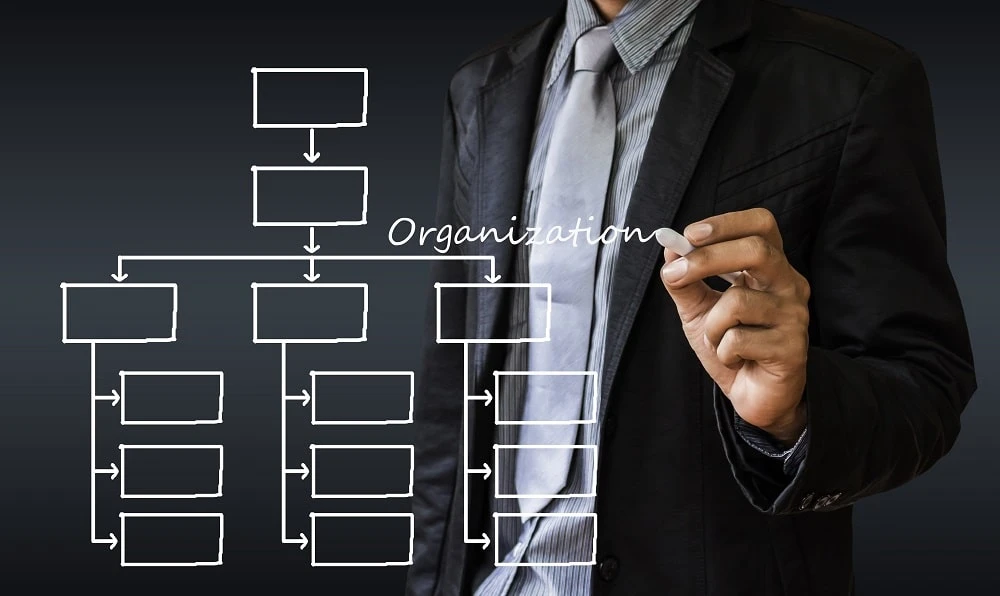
A well-structured engineering organization chart is vital for clarity, accountability, and communication. At OPM Group, we design organizational charts that clearly define roles, reporting lines, and team responsibilities. This approach prevents overlap, streamlines decision-making, and ensures that project managers, engineers, and stakeholders are all aligned toward common objectives.
By visualizing the hierarchy and reporting channels, team members understand their scope and responsibility, reducing miscommunication and improving productivity. For large-scale projects with multiple disciplines, this clarity is essential for maintaining efficiency and avoiding costly delays.
Effective resource management involves strategic allocation of human, technological, and material resources. OPM-Group develops tailored resource plans that align with project milestones and objectives as part of its engineering management practices. By forecasting manpower requirements and monitoring utilization, we ensure that engineers, designers, and contractors are neither underutilized nor overloaded.
Resource management also extends to scheduling and logistics, ensuring critical equipment and software tools are available when needed. This proactive approach reduces idle time, accelerates project completion, and minimizes operational costs.
Document control is a critical component of engineering management services. OPMGroup maintains a Master Document Registry (MDR) and Master Document List (MDL) to provide centralized access, version control, and traceability for all technical documentation.
This comprehensive system allows team members to quickly retrieve documents, verify revisions, and ensure consistency across engineering disciplines. By implementing strict document management procedures, we prevent errors, data loss, and miscommunication, which are common in complex projects.
Man-hour (M/H) estimation and management is a core aspect of engineering project planning. OPMGroup provides accurate M/H estimations for all engineering activities, from conceptual design to final documentation. These estimates form the basis for cost control, resource planning, and timeline management.
By continuously monitoring M/H consumption against planned targets, our team can identify potential overruns early, implement corrective measures, and maintain project efficiency. This ensures projects are delivered on time and within budget without compromising quality.
For projects involving multiple vendors, OPMGroup uses VPIS to track vendor document submissions. The schedule ensures that drawings, specifications, and certifications from subcontractors align with project timelines.
Regular VPIS reviews allow project managers to identify missing or delayed vendor documents, ensuring timely integration into engineering workflows and preventing delays in construction or procurement.
A robust Electronically Document Management System (EDMS) is essential for handling large volumes of technical documents across multiple disciplines. OPM Group implements EDMS solutions that streamline workflow, document approvals, revision tracking, and archiving.
Our engineering workflow connects design, procurement, construction, and commissioning processes. Standardized workflows improve collaboration, accelerate approvals, and maintain consistency across project deliverables.
Using standard engineering formats and templates, OPMGroup ensures uniform documentation, easier communication, and faster review cycles. Templates cover design reports, drawings, technical calculations, and correspondence.
Efficient engineering software management is crucial for complex projects. OPM Group oversees the use of Autocad, project management, and simulation software, ensuring compatibility, licensing compliance, and user proficiency.
Strict numbering and document handling procedures are enforced to prevent misplacement, duplication, or misinterpretation of technical data. This enhances traceability and accountability in engineering processes.
The IDC ensures that engineering outputs from multiple disciplines are consistent, coordinated, and compliant with project requirements. This review process identifies discrepancies between design disciplines early, reducing the risk of costly rework during construction or commissioning.
By coordinating all technical disciplines, IDC enhances the integrity of final designs and ensures that cross-disciplinary dependencies are properly managed.
Clear communication is key to project success. OPM Group utilizes structured reply and clarification sheets to document client and stakeholder inquiries, responses, and follow-ups. This ensures that all questions are addressed promptly, decisions are well-documented, and accountability is maintained across teams.
The systematic tracking of clarifications reduces delays caused by misunderstandings and fosters transparency between the client, engineering teams, and contractors.
Managing design changes requires a proactive and methodical approach. OPMGroup employs design change management procedures as part of its engineering management framework, integrating revision control, stakeholder approvals, and impact analysis. Each change is assessed for technical feasibility, cost implications, and schedule impact before implementation.
This approach minimizes rework, reduces errors, and ensures that design modifications enhance overall project quality. Clients benefit from predictable outcomes and a smooth transition from original designs to updated solutions.
The Project Change Request (PCR) and Design Change Notice (DCN) system is crucial for maintaining project integrity. OPMGroup implements structured workflows for initiating, reviewing, and approving changes. This prevents unauthorized alterations, manages scope adjustments, and ensures that all modifications are traceable.
With a robust PCR/DCN process, design teams can manage evolving client requirements, regulatory changes, or technical improvements without disrupting project timelines or causing confusion among stakeholders.
Advanced digital tools, such as 3D modeling and BIM, play a pivotal role in modern engineering management. OPM-Group conducts regular 3D model review meetings to evaluate design integration, detect clashes, and optimize construction planning.
These meetings foster collaboration among engineers, contractors, and clients, allowing visualization of complex assemblies, improved spatial coordination, and early identification of potential conflicts. The result is enhanced project efficiency and reduced risk of on-site modifications.
Safety is paramount in all industrial and oil & gas projects. As experienced oil and gas engineering consultants, OPMGroup manages HAZOP (Hazard and Operability) and HAZID (Hazard Identification) sessions to systematically identify risks and hazards.
These structured meetings involve multidisciplinary teams reviewing designs, procedures, and operational scenarios. The insights gained inform design modifications, operational safeguards, and compliance measures, ensuring safe and reliable project execution.
Managing multiple vendors and subcontractors requires vigilance and coordination. OPMGroup provides sub-vendor and contractor engineering management by aligning third-party contributions with project objectives and technical standards.
Regular progress tracking, document verification, and technical audits ensure subcontractor outputs meet the project’s quality, schedule, and compliance requirements.

During construction, site queries (SQs) and technical queries (TQs) are inevitable. OPM Group implements structured query management to address these promptly and accurately.
Our system logs all site queries, assigns responsible personnel, tracks responses, and ensures integration into project documentation. Timely query resolution minimizes downtime, prevents construction delays, and maintains stakeholder confidence.
Upon project completion, OPM-Group delivers comprehensive as-built documentation and a final book package. This captures all modifications, approvals, and verification records, serving as a reference for operations, maintenance, and future projects.
At OPMGroup, our mission is to deliver superior engineering management services that combine technical expertise, strategic project oversight, and disciplined execution. From engineering project management to construction engineering management and advisory roles, OPMGroup provides end-to-end, customized solutions for complex industrial projects. Connect with us on LinkedIn to learn more about our projects and insights in engineering management.
Engineering and integration management involves coordinating the design, selection, installation, and commissioning of various subsystems and components to create a unified, functional system that meets project requirements and operates seamlessly as a whole.
Integration ensures that diverse engineering components and subsystems work together harmoniously, enhancing system performance, reducing downtime, and improving operational efficiency, which is critical for the success of complex projects.
The main stages include initial design (defining system architecture and requirements), component selection (choosing compatible and reliable parts), installation (properly setting up components), and commissioning (testing and validating system functionality before deployment).
Project integration management coordinates all project elements—tasks, resources, stakeholders—to align objectives and ensure smooth execution from initiation through closure, managing risks and facilitating communication to achieve project goals effectively.
Submit a Request For This Service
At OPM Group, we deliver comprehensive PMC tailored to ensure the successful execution of complex industrial and infrastructure projects.Our expertise spans from the bidding stage through to project completion, providing robust support at every phase.
Stay updated with the latest security trends offers by subscribing to our newsletter.
Copyright © 2025 All Rights Reserved.