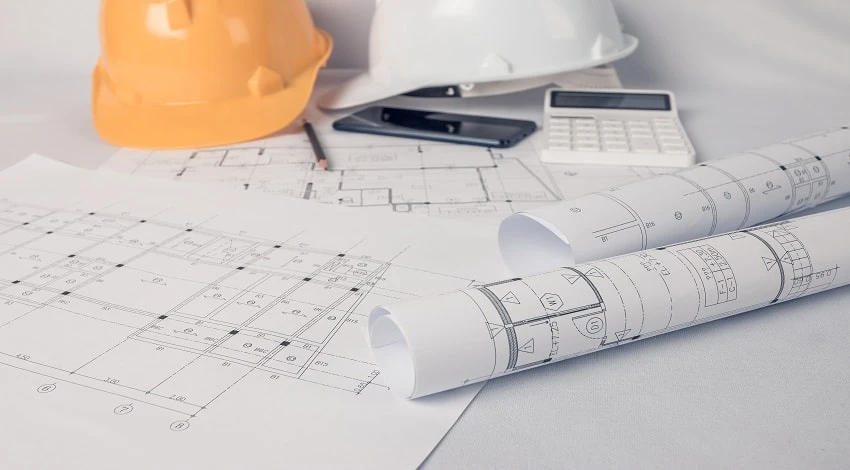
Architectural and Design Management is the backbone of successful capital projects. At OPM Group, we provide comprehensive Architectural Management Services across all phases of design—from initial concept to final detail. This ensures every aspect aligns with engineering disciplines, construction logistics and your overall project objectives.
With offices in Germany serving Europe and the Middle East and a Canadian presence supporting North America, we expertly navigate the complexities of multinational projects.
Our approach blends creative vision with technical discipline at every step. We coordinate architects, engineers and construction specialists into a cohesive delivery team. This enables innovation without compromising feasibility, timeline or safety.
This integrated strategy is crucial for managing the vast flow of information in modern complex builds—especially in specialized industrial sectors like oil & gas, energy, construction and data centers.
Effective architectural management ensures that aesthetic, functional and structural requirements are harmonized from the earliest project stages. By embedding these priorities, we prevent costly oversights and delays later in the process.
Large-scale projects bring significant challenges. OPM Group’s structured management system acts as the “central nervous system” for the entire design process. We keep all parties—from conceptual artists to detailed engineers—focused on a unified vision that’s both ambitious and achievable.
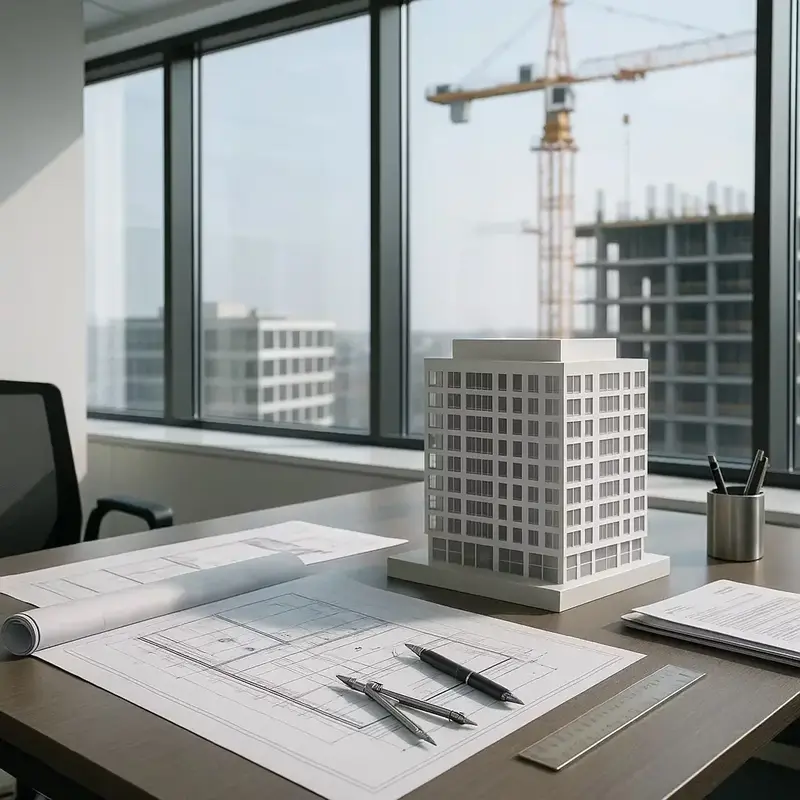
Architectural Management is the structured oversight and coordination of all architectural activities within a project. It ensures design integrity, regulatory compliance and alignment with the client’s goals. Unlike traditional workflows that isolate design from engineering or procurement, architectural management integrates these processes from the very beginning. This early integration helps control quality and avoids costly rework.
Proactive integration is essential. Architectural considerations should drive and be driven by other project disciplines — they are never just an afterthought. For example, in oil and gas facilities, architectural layouts must consider not only human access and comfort but also safety zones, hazardous material containment and emergency escape paths. These decisions directly influence and depend on the structural, mechanical and electrical engineering.
Similarly, in data centers, space allocation, power distribution and cooling system planning must be coordinated closely with IT infrastructure needs. Early and continuous collaboration ensures that all elements work seamlessly together from the outset.
Architectural management extends beyond drafting plans. It involves:
Defining project design objectives and deliverables
Coordinating design stakeholders
Reviewing technical documentation for compliance
Managing design changes efficiently
Ensuring integration with structural, MEP (Mechanical, Electrical, and Plumbing) and civil engineering packages
This comprehensive scope ensures that the architectural vision is not only aesthetically pleasing but also functionally sound and constructible.
We understand that each project is unique and our services are flexible, adapting to the specific needs of each client and industry. Whether it’s a Greenfield development or a complex brownfield expansion, our goal is to provide a seamless and efficient design management process. This often involves working within established project frameworks or helping clients to establish new ones that promote collaboration and efficiency.
Our team comprises experienced architects, project managers and technical specialists who bring a wealth of knowledge from diverse sectors. This allows us to offer insights and solutions that go beyond standard architectural practice, incorporating best practices from engineering, construction and operational management.
At this stage, our team translates client visions into feasible design concepts. We:
Conduct needs assessments
Develop preliminary layouts and schematics
Align concepts with operational requirements in oil & gas, energy, data centers and construction
This phase is about laying a strong foundation for the entire project. It’s where the core ideas are explored, tested, and refined to ensure they meet both the aspirational goals of the client and the practical constraints of the project.
Before any drawings are produced, we undertake a thorough assessment of the project’s needs. This involves engaging with all key stakeholders to understand their requirements, operational workflows, functional needs, budget expectations, and long-term vision. For a new data center, this means understanding the client’s IT capacity projections, power demands, cooling strategies, and security protocols. For an oil and gas facility, it involves scrutinizing process requirements, safety considerations, maintenance access and potential environmental impacts. This assessment forms the bedrock of the design brief.
Based on the needs assessment, our team develops initial design concepts. This can include block diagrams, bubble diagrams, schematic drawings and preliminary 3D massing models. These tools help visualize the spatial relationships between different areas, establish the overall flow of the facility and identify potential design challenges. For example, in an energy infrastructure project, schematic diagrams might illustrate the flow of power through a substation, indicating the required spatial arrangements for transformers, switchgear and control rooms.
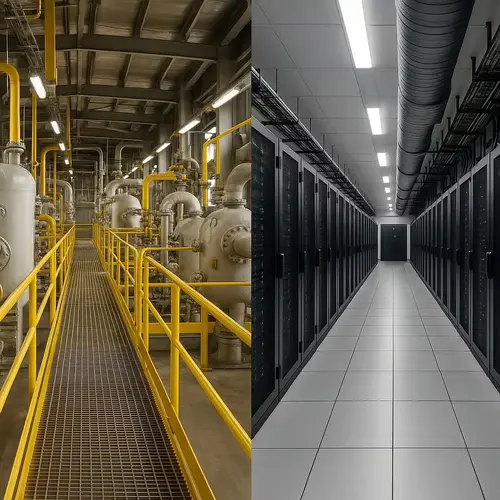
A critical part of concept development is ensuring that the proposed designs directly support the intended operations. This means understanding how people, materials and information will move through the facility, how equipment will be operated and maintained and how safety and security will be managed. In oil and gas, this involves ensuring that layouts facilitate safe access for personnel to critical equipment while maintaining appropriate separation distances for hazardous processes. For data centers, it means designing efficient airflow pathways to ensure optimal cooling and prevent hot spots, and planning for redundancy in power and network infrastructure. This alignment prevents functional compromises later in the design process and ensures the facility will perform as intended.

We manage the transition from concept to detailed architectural drawings, ensuring:
Accurate dimensional planning
Integration with engineering models and BIM systems
Compliance with international codes and local regulations
This is where the conceptual ideas take on concrete form, requiring meticulous attention to detail and rigorous coordination.
Detailed design involves translating conceptual layouts into precise drawings that specify all dimensions, materials, finishes and construction details. This requires meticulous work to ensure that spaces are correctly sized, clearances are adequate for equipment and personnel, and that all elements fit together harmoniously. For instance, in the construction of a complex industrial facility, accurate dimensional planning is essential for the fabrication and installation of structural steel, piping, and equipment. Tolerances are critical and our management ensures these are clearly defined and adhered to.
Modern architectural management heavily relies on Building Information Modeling (BIM). We ensure that architectural models are seamlessly integrated with structural, MEP and other engineering discipline models within a federated BIM environment. This allows for comprehensive clash detection, enabling us to identify and resolve conflicts between different building systems (e.g., a structural beam intersecting a large duct) before they manifest on site. This integration is crucial for complex projects like data centers, where the precise placement of thousands of cables, pipes and structural elements requires a high degree of coordination. Our expertise in BIM facilitates a more efficient and accurate design process.
Every construction project must adhere to a complex web of building codes, safety standards, environmental regulations and local ordinances. Our team meticulously reviews all detailed design documentation to ensure full compliance. This includes understanding the nuances of different regulatory frameworks across Europe, the Middle East and North America. For example, designing an oil and gas facility in Saudi Arabia will involve different codes and standards than one in Germany. We ensure that all drawings and specifications meet or exceed these requirements, preventing costly rework or project delays due to non-compliance. This also extends to client-specific standards and performance criteria.
Here, our Architectural Management Services ensure that every drawing is more than just an artistic vision — it is a buildable, compliant and performance‑optimized blueprint.
A hallmark of our method is the early and continuous integration with engineering and construction teams. We facilitate:
Cross‑disciplinary design reviews
Clash detection and resolution in BIM
Schedule alignment for design deliverables
This proactive approach breaks down traditional silos, fostering collaboration and ensuring that all project components are harmonized.
Our specialized knowledge and structured approach to Architectural and Design Management are applicable across a wide range of demanding industries. We understand the unique challenges and regulatory environments of each sector and tailor our services to meet specific requirements.
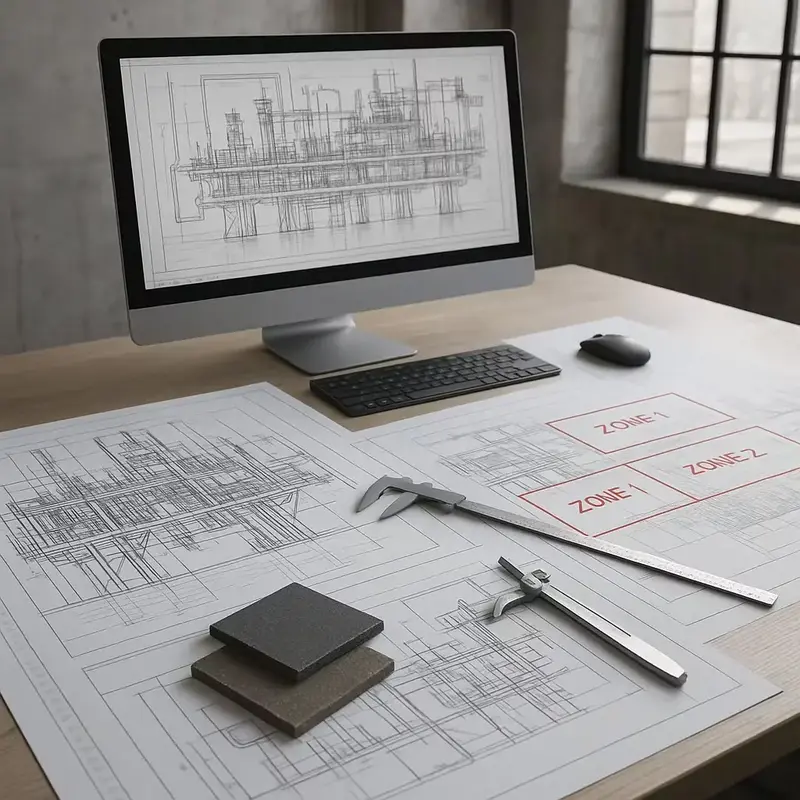
Whether offshore processing platforms or downstream refineries, architectural oversight ensures these high‑risk environments meet stringent safety and operational criteria. We plan for:
Hazardous area classification in layouts
Separation of critical operations spaces
Resilient materials suitable for corrosive atmospheres
In the oil and gas sector, safety and operational integrity are paramount. Architectural management in this industry goes far beyond aesthetics, focusing on functional layouts that enhance safety, comply with strict regulations and ensure the long-term durability of facilities in harsh environments.
Power plants, transmission centers, and renewables demand designs that optimize performance while meeting environmental standards. Our expertise includes:
Functional zoning for operational efficiency
Integration with mechanical and electrical systems
Sustainable design to support long project lifecycles
The energy sector is undergoing rapid transformation, with a growing emphasis on efficiency, sustainability and reliability. Architectural management plays a key role in designing facilities that meet these evolving demands.
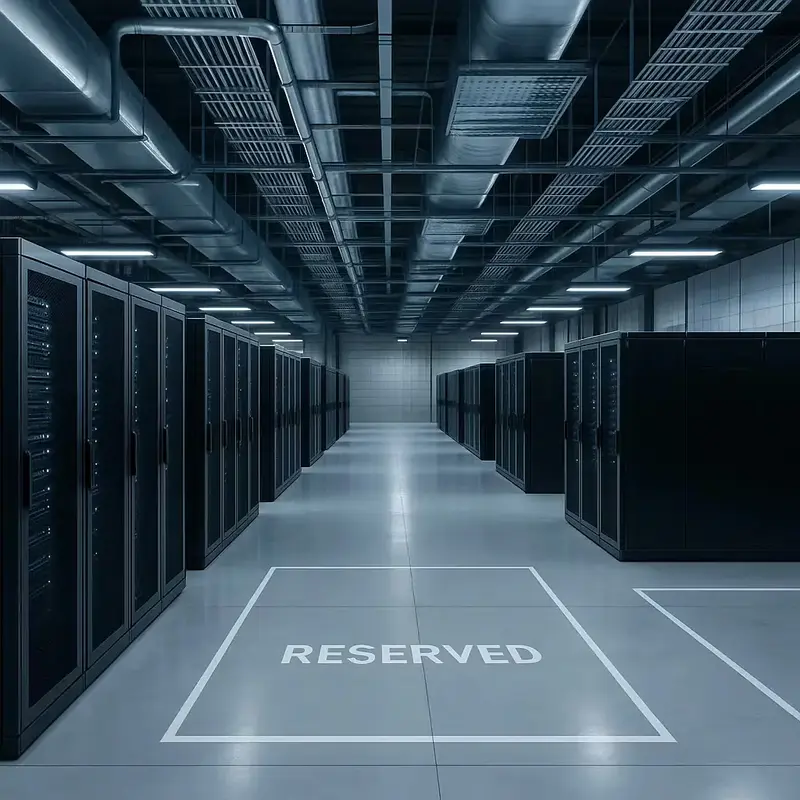
Data centers require precise environmental control and scalability. We coordinate:
Equipment room layouts
Cooling and airflow integration
Future expansion zones without disrupting operations
In the rapidly growing data center industry, architectural design management is critical for ensuring high availability, efficient operation and future scalability.
From commercial complexes to industrial plants, our design management ensures:
Efficient workflows between trades
Compliance with municipal approvals
Cost‑controlled design solutions that align with construction phases
Our expertise in Architectural and Design Management is broadly applicable to a wide spectrum of construction projects, ensuring that the design phase sets the stage for successful and efficient construction.
Partnering with OPM Group for your Architectural and Design Management needs provides a distinct advantage, driven by our integrated approach, global reach and deep industry expertise.
With offices in Germany and Canada, OPM Group offers a global reach paired with localized knowledge of codes and standards. This dual capability ensures that projects benefit from international best practices while adhering to the specific regulatory and cultural nuances of the project location. Whether managing a project in the bustling metropolises of Europe, the developing energy hubs of the Middle East or the diverse construction landscapes of North America, our teams possess the critical local understanding needed to navigate complex approval processes and ensure compliance with regional standards. This blend of global perspective and local insight is invaluable for multinational projects, minimizing risks and optimizing outcomes.
Our integrated and proactive approach to Architectural and Design Management significantly reduces project risks. By ensuring early and continuous coordination between architectural and engineering disciplines, we proactively identify and resolve design clashes, material incompatibilities and sequencing issues before they escalate into costly on-site problems. This systematic clash detection and resolution, often facilitated through advanced BIM technologies, prevents significant rework, minimizes change orders and mitigates schedule disruptions. Furthermore, our rigorous review processes ensure compliance with all relevant codes and standards, thereby reducing the risk of regulatory non-compliance and associated penalties or delays.
OPM Group excels at balancing creative architectural solutions with the rigorous demands of compliance and safety. We understand that innovative design can drive project success, enhance functionality, and create inspiring spaces. Our team is adept at exploring cutting-edge design concepts and materials while ensuring that every element meets stringent industry standards, safety regulations and client-specific performance criteria. This means projects can achieve a distinctive aesthetic and functional edge without ever compromising on safety, buildability, or long-term performance. We empower clients to push design boundaries responsibly, knowing that compliance and operational integrity remain at the forefront of our management process.
While this page focuses on our core Architectural Management Services, OPM Group also applies design management principles tailored to specific industries. Topics such as Design Management in Construction and Design Management in Oil & Gas will be covered in our upcoming insights, offering detailed breakdowns for each sector.
We are continuously expanding our knowledge base and refining our methodologies to address the evolving challenges of capital project delivery. Our commitment to innovation means we are at the forefront of adopting new technologies and best practices, ensuring that our clients benefit from the most advanced and effective design management strategies available. As industries like energy and data centers continue to evolve at a rapid pace, so too will our specialized services and insights. We aim to be a trusted partner, providing the foresight and expertise necessary to navigate the complexities of future projects and to deliver outcomes that are not only successful but also sustainable and forward-thinking.
At OPM Group, we deliver comprehensive PMC tailored to ensure the successful execution of complex industrial and infrastructure projects.Our expertise spans from the bidding stage through to project completion, providing robust support at every phase.
Stay updated with the latest security trends offers by subscribing to our newsletter.
Copyright © 2025 All Rights Reserved.