
Oil and gas project delays can quickly disrupt the financial balance of large energy developments. These projects operate under tightly planned schedules where construction timelines, capital spending, and expected production revenues are closely linked. When a project falls behind schedule, the impact often spreads across contracts, logistics, and financing. Contractors may remain mobilized longer than planned, specialized equipment can sit idle on site, and companies must continue covering operational costs while production is postponed.
The effects extend beyond immediate expenses. Schedule overruns increase labor costs, extend equipment rentals, and delay the point when the project begins generating revenue. In projects such as pipelines, LNG terminals, or offshore facilities, late commissioning can also disrupt supply agreements and delivery commitments.
Understanding these delay factors helps project owners and contractors plan realistic schedules, manage procurement timelines, and maintain coordination between engineering, construction, and regulatory stakeholders.
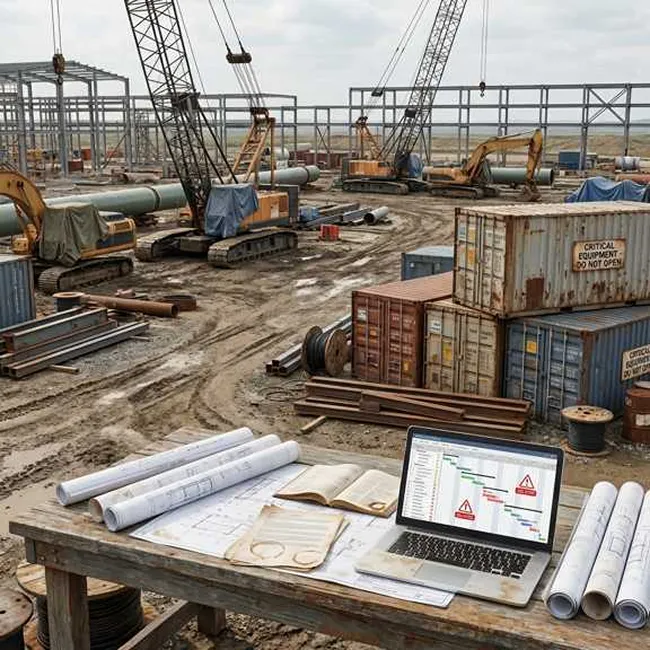
One of the most common causes of delays in oil and gas projects originates during the earliest planning stages. When project scope, technical requirements, and resource availability are not fully defined, schedules often become optimistic rather than realistic.
Large energy developments involve engineering, procurement, construction, logistics, and regulatory coordination across multiple regions. If early project planning does not accurately reflect these complexities, downstream phases encounter unexpected constraints. Construction teams may wait for finalized designs, procurement teams may struggle to secure long‑lead equipment, and contractors may face site conditions that were not considered in initial planning.
Planning‑related delays in oil and gas projects typically appear months after the project begins. At that stage, correcting the schedule becomes expensive because contracts are already signed and resources are already mobilized. Strong front‑end planning reduces these risks by ensuring that scope definition, schedule logic, and resource availability are aligned before execution begins.
A poorly defined project scope is one of the earliest signals of future delays. If the project’s technical boundaries, facility capacity, or operational requirements are unclear, engineering teams often revisit assumptions during execution. Each revision requires additional design work and may affect procurement or construction sequences.
For example, a change in processing capacity at a gas treatment facility can alter equipment sizing, structural design, and utility systems. These modifications cascade across the project schedule. Procurement packages must be revised, fabrication timelines change, and site installation sequences may need adjustment.
Clear scope definition during feasibility studies and conceptual design reduces these disruptions. Detailed technical specifications and realistic performance targets allow engineering teams to proceed without repeated design revisions.
Aggressive schedules sometimes emerge from commercial pressure rather than engineering reality. Investors or operators may aim to accelerate production start dates, but complex infrastructure cannot always compress safely or efficiently.
When milestones are unrealistic, project teams often rush early phases such as design reviews or procurement evaluations. This may appear to save time initially, but overlooked issues surface later during construction or commissioning. Corrective work then consumes more time than the original shortcut saved.
Realistic scheduling requires input from engineering, procurement, logistics, and construction specialists. When these disciplines collaborate during schedule development, timelines better reflect real operational constraints and reduce the likelihood of oil and gas project delays.
Procurement is one of the most sensitive areas in large energy developments. Oil and gas facilities depend on specialized equipment such as compressors, subsea systems, turbines, and control modules that often have long manufacturing lead times.
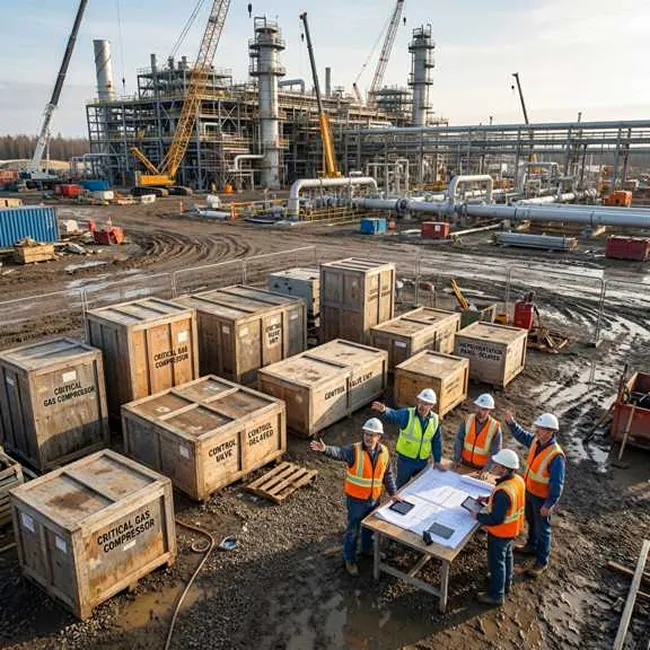
Certain components in energy infrastructure have particularly long lead times. Gas compressors, offshore platform modules, specialized valves, and control systems often require months of fabrication and testing.
If procurement orders are placed too late, the manufacturing schedule may extend beyond the construction timeline. Even when construction progresses smoothly, missing equipment prevents final installation or commissioning.
Effective procurement planning identifies long‑lead items early and secures manufacturing slots before construction begins. This approach reduces the risk of critical path disruptions.
Supplier performance directly influences project schedules. Manufacturers must meet technical specifications, quality standards, and delivery commitments simultaneously. When suppliers face production bottlenecks or quality issues, equipment delivery can slip significantly.
Weak contract management may also contribute to delays. If performance milestones, inspection processes, or penalty clauses are not clearly defined, suppliers may not prioritize delivery timelines.
Robust vendor evaluation and clear contractual obligations help reduce these risks. Projects that invest time in supplier qualification typically encounter fewer supply disruptions during execution.
Transporting large industrial equipment often involves specialized vessels, heavy‑lift cranes, and coordinated port operations. Weather conditions, port congestion, or customs documentation issues can delay shipments even after equipment leaves the factory.
For offshore developments or remote onshore fields, logistics complexity increases further. Equipment may travel through several transfer points before reaching the final project site.
Careful logistics planning and early coordination with shipping providers can reduce transportation bottlenecks that contribute to the causes of delays in oil and gas projects.
Engineering complexity is a defining characteristic of modern energy infrastructure. Facilities often integrate mechanical systems, process engineering, instrumentation, electrical networks, and digital control platforms within a single project.
When design coordination is incomplete or engineering documentation changes during construction, field teams may need to pause work until updated drawings are approved. These interruptions can affect multiple contractors simultaneously and slow overall progress.
Engineering‑related oil and gas project delays typically originate from incomplete early design work or insufficient coordination between engineering disciplines.
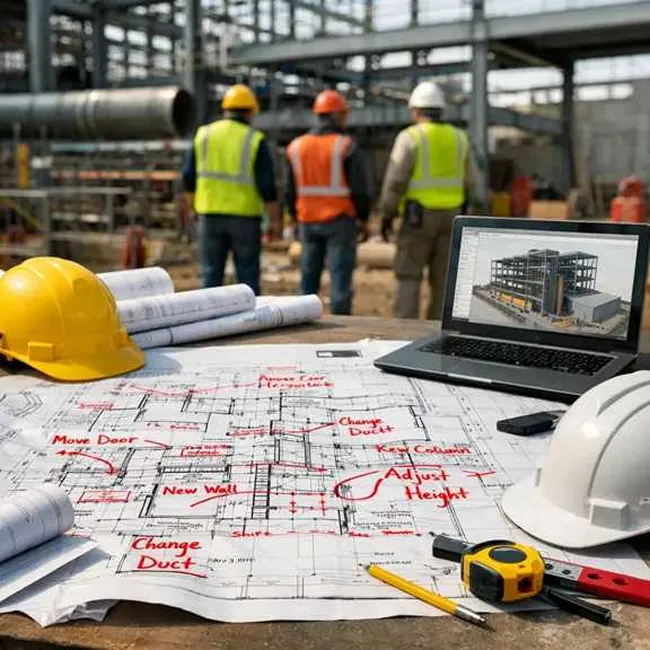
Design revisions during construction disrupt workflow across several project phases. Structural modifications may require re‑fabrication of steel components, piping layouts may need to be rerouted, and electrical systems may require redesign.
Each modification also requires engineering validation, documentation updates, and contractor adjustments. These steps consume time and may create conflicts with procurement or installation schedules.
Minimizing design changes requires disciplined design review processes before construction begins.
Front‑End Engineering Design (FEED) establishes the technical foundation of a project. It defines facility configuration, equipment specifications, and preliminary cost estimates.
If FEED studies lack sufficient detail, many design decisions remain unresolved when the execution phase begins. Engineers then finalize technical elements while construction activities are already underway. This overlap frequently leads to coordination problems and schedule disruptions.
Well‑developed FEED packages significantly reduce engineering uncertainty and help prevent oil and gas project delays.
Large projects involve multiple engineering disciplines working simultaneously. Process engineers, structural engineers, instrumentation specialists, and electrical designers must ensure their systems integrate correctly.
When communication between these teams breaks down, inconsistencies may appear in technical drawings or equipment specifications. For example, structural supports may not match piping layouts, or electrical load calculations may not reflect final equipment lists.
Integrated engineering platforms and coordinated design reviews help identify these inconsistencies before they affect construction schedules.
Oil and gas projects must comply with complex regulatory frameworks that address environmental protection, land use, safety standards, and community impact. Approval processes usually involve multiple authorities at national, regional, and local levels, each with its own documentation and review requirements. When coordination between these bodies is weak or submission packages are incomplete, approval timelines can easily extend beyond the original project schedule. As a result, regulatory procedures remain one of the most common causes of delays in oil and gas projects worldwide.
Permitting typically requires detailed environmental impact assessments, safety studies, and technical documentation describing facility design and operational risks. Preparing and reviewing these materials can take several months, particularly for projects located near sensitive ecosystems or populated areas. Regulatory authorities may request clarifications or revisions, and each review cycle adds time before construction can begin. Late approvals often delay site mobilization and disrupt contractor planning.
Delays can also arise when regulations change during the long development cycle of large energy projects. New environmental or safety requirements may force design revisions, equipment changes, or updates to operating procedures. These adjustments can affect engineering schedules and procurement timelines. Proactive engagement with regulators and continuous monitoring of regulatory developments help reduce uncertainty and limit approval-related delays.
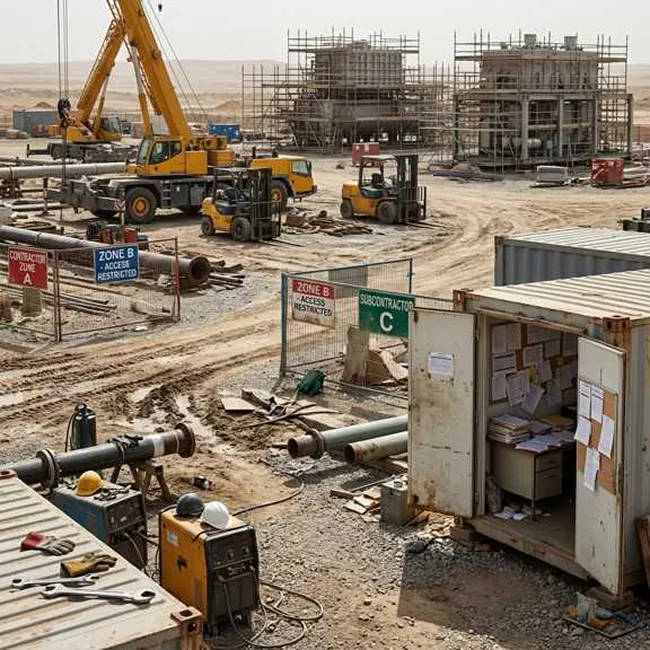
Large oil and gas developments rely on thousands of workers across engineering offices, fabrication yards, and construction sites. Coordinating these teams requires clear communication structures and defined responsibilities.
If workforce availability becomes limited or contractors operate without effective coordination, productivity can decline rapidly. These issues frequently appear in remote project locations where specialized labor is difficult to mobilize.
Large energy projects depend on highly specialized professionals, including pipeline welders, drilling technicians, offshore engineers, and safety specialists. In many regions, the demand for these skilled workers exceeds the available workforce. When experienced personnel are difficult to recruit or retain, project teams may struggle to maintain planned construction schedules.
Labor shortages often become more severe in remote locations or offshore environments where working conditions are challenging. Companies may need additional time to recruit qualified workers, arrange training, or relocate personnel from other regions. These adjustments can slow down construction activities and extend installation timelines.
In complex projects, limited expertise can cause coordination issues between engineering and construction teams. If critical tasks are postponed because qualified workers are unavailable, the risk of oil and gas project delays increases significantly. Careful workforce planning and early contractor engagement can help reduce these risks and keep projects on schedule.
Construction projects often involve multiple contractors working on different systems simultaneously. Without clear coordination, tasks may overlap or interfere with each other.
For example, structural installation teams may occupy areas needed by piping crews, or electrical contractors may begin work before mechanical systems are fully installed. These conflicts lead to rework and schedule adjustments.
Detailed construction sequencing and regular coordination meetings reduce these operational conflicts.
Safety incidents can halt operations immediately while investigations and corrective actions take place. In high‑risk environments such as offshore platforms or processing facilities, even minor incidents may require temporary shutdowns.
Beyond the direct impact on workforce safety, these interruptions affect project timelines and contractor productivity. Maintaining strict safety procedures and continuous training helps reduce operational disruptions.
Energy infrastructure projects require large capital commitments over several years. Financial stability throughout the project lifecycle is necessary to maintain construction momentum and contractor engagement.
When financing conditions change or project costs exceed initial projections, funding adjustments may slow project execution.
Unexpected cost increases may arise from engineering revisions, procurement price changes, or logistical challenges. These financial pressures can quickly contribute to oil and gas project delays, especially when project budgets expand beyond approved limits. In such situations, companies may pause certain activities while reassessing financing options.
Contractors may also slow work if payment schedules become uncertain. These financial disruptions can extend project timelines significantly.
Oil and gas prices influence investment decisions across the industry. When market prices decline sharply, companies sometimes reconsider capital spending plans for large developments.
Financing partners may request revised economic projections before releasing additional funds. These reassessments can delay project phases or reduce construction pace.
Preventing delays requires coordinated planning across engineering, procurement, construction, and regulatory management. Projects that address potential risks early are more likely to maintain stable timelines and cost control.
Reducing oil and gas project delays involves strengthening early project planning, improving supplier collaboration, and using digital monitoring tools that provide real‑time project visibility.
Structured project management frameworks help coordinate complex activities across multiple teams. Clear reporting systems, defined decision processes, and consistent schedule tracking allow project leaders to identify emerging delays before they escalate.
Integrated project schedules that connect engineering, procurement, and construction activities also improve visibility of critical path risks.
Involving key contractors and equipment suppliers during early project phases provides practical insight into manufacturing timelines, logistics requirements, and construction constraints.
This collaboration helps align engineering design with real procurement and installation capabilities. As a result, projects reduce many of the operational gaps that contribute to the causes of delays in oil and gas projects.
Modern project management platforms allow teams to track procurement status, construction progress, and engineering updates in real time. These systems integrate data from multiple departments and highlight schedule deviations early.
Digital monitoring also improves coordination between remote engineering offices, fabrication yards, and construction sites. With better visibility across the entire project lifecycle, managers can respond quickly to emerging risks and keep development timelines on track.
At OPM Group, we deliver comprehensive PMC tailored to ensure the successful execution of complex industrial and infrastructure projects.Our expertise spans from the bidding stage through to project completion, providing robust support at every phase.
Stay updated with the latest security trends offers by subscribing to our newsletter.
Copyright © 2025 All Rights Reserved.