
In today’s fast-paced and complex industries, effective project planning is essential to ensure success. Whether it’s a small construction project or a multi-million-dollar oil and gas venture, project planning lays the foundation for delivering results on time and within budget. At its core, project planning service includes setting clear goals, defining timelines, allocating resources, and monitoring progress. With the help of professional planning services and advanced tools like Primavera, Microsoft Project, and Excel, organizations can manage uncertainty and maintain control from start to finish.

Project planning service is the process of defining a project’s objectives, scope, schedule, resources, and deliverables before execution begins. It serves as a strategic framework that guides the team through each phase of the project. A well-developed project plan answers key questions such as:
This phase typically involves creating detailed documents such as the Work Breakdown Structure (WBS), Cost Breakdown Structure (CBS), project timeline, and budgeting plans. It also defines project milestones and assigns responsibilities, enabling smoother coordination among team members. Ultimately, effective project planning minimizes risks, avoids delays, and aligns project execution with business goals.
Successful planning goes beyond writing schedules—it involves a combination of strategic thinking, technical expertise, and real-time control. Our project scheduling services are designed to support clients through every stage of the planning lifecycle, from initial scheduling to detailed controlling.

We develop comprehensive time schedules using tools like Primavera, MSP, or Excel, tailored to your project’s complexity and scope. These schedules serve as the baseline for progress tracking and performance evaluation.
Beyond creating a schedule, we help monitor and adjust your plan as the project evolves. This includes tracking variances, updating forecasts, and implementing corrective actions when needed.
Our consultancy ensures that EPC projects are planned with precision, including resource allocation, sequencing of work, and critical path identification.
We build detailed project timelines, identifying key milestones, dependencies, and deliverables—especially vital for oil and gas projects and large-scale infrastructure.

A strong project control plan must include cash flow plan. We assist with cost estimation, cost breakdown (CBS), and cash flow tracking to prevent overruns.
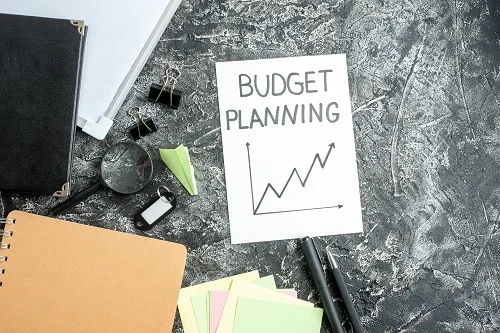
Using WBS and CBS, we break down the project into manageable components, making it easier to assign responsibilities, track costs, and measure performance.
We provide standardized project planning reports—daily, bi-weekly, monthly, and managerial—to keep stakeholders informed and aligned.
From planning to controlling, our services ensure that your project stays organized, cost-effective, and aligned with your strategic vision.
Modern project control relies heavily on specialized software to manage complexity, improve accuracy, and streamline communication. The choice of tools depends on the project’s size, industry, and level of detail required. Below are some of the most widely used tools in planning, scheduling, and controlling:

This powerful software is widely used in large-scale infrastructure, construction, and oil & gas projects. It supports complex scheduling, resource management, baseline comparison, and progress tracking across multiple projects simultaneously.
Ideal for medium to large projects Scheduling, MSP offers intuitive tools for creating Gantt charts, assigning resources, tracking tasks, and monitoring deadlines. It integrates well with other Microsoft products, making it a popular choice in corporate environments.
While not a dedicated planning tool, Excel remains a flexible and accessible option for creating simple schedules, cost breakdowns (CBS), manpower histograms, and even S-curves. It is especially useful in early planning stages or for generating quick reports.
Each tool offers specific advantages. Choosing the right one depends on your project’s complexity, team experience, and reporting needs. In many cases, a combination of these tools is used to cover all planning and controlling aspects effectively.

A successful project planning service isn’t just a document—it’s a complete system of deliverables that guide the execution and monitoring of a project. These deliverables provide clarity, improve communication, and help track performance. Below are some of the most essential outputs:
Together, these deliverables serve as the foundation for tracking project performance, managing risks, and ensuring the project stays aligned with its goals.
Large-scale projects—especially in the oil and gas sector—come with unique challenges that require a higher level of detail, precision, and coordination. These projects often involve multiple contractors, international regulations, long timelines, and significant financial investment. As a result, project controll becomes even more critical.
Key planning considerations for these projects include:
By applying a structured planning and controlling approach, companies in the oil & gas and infrastructure sectors can significantly reduce risk, improve execution, and achieve greater transparency across all stages of the project.
Project planning service is not just a technical step—it’s a strategic necessity. From defining goals and allocating resources to tracking progress and controlling outcomes, a strong project plan lays the foundation for success. Especially in large-scale and high-stakes industries like oil & gas or infrastructure, effective planning minimizes risk, increases efficiency, and ensures alignment with business goals.
At OPM, we specialize in providing advanced project management consulting services across Europe, North America, Middle East and Africa. Our team supports clients with tailored planning strategies, expert scheduling, cost control, and full-cycle project controlling to turn complex challenges into successful outcomes.
If you’re looking to elevate your project planning process, partner with OPM and take the first step toward execution with clarity and confidence.
Project planning involves defining the project scope, objectives, and resources needed. Scheduling determines when project activities will take place based on durations and dependencies. Controlling is the process of monitoring progress, comparing actual performance with the plan, analyzing deviations, and taking corrective actions to keep the project on track.
These processes help managers organize complex projects, ensure efficient use of resources, maintain timelines and budgets, uphold quality standards, and identify and resolve issues early, thereby increasing the likelihood of successful project completion.
Project controlling includes defining measurable objectives, creating detailed plans for resources, schedules, and budgets, monitoring costs and timelines, Managing risks within projects, analyzing deviations from the plan, reporting progress, and implementing corrective measures to align the project with its goals.
Project managers regularly review the schedule and baseline, track task progress, identify variances, communicate status updates to stakeholders, and take corrective actions when necessary to ensure the project stays on time and within budget.
Submit a Request For This Service
At OPM Group, we deliver comprehensive PMC tailored to ensure the successful execution of complex industrial and infrastructure projects.Our expertise spans from the bidding stage through to project completion, providing robust support at every phase.
Stay updated with the latest security trends offers by subscribing to our newsletter.
Copyright © 2025 All Rights Reserved.