Pipeline projects remain among the most complex engineering and management undertakings in the energy sector. The combination of technical precision, environmental considerations and logistical coordination makes these projects uniquely challenging. This article explores the Common Challenges in Pipelines Projects, outlining both the engineering and managerial hurdles involved.
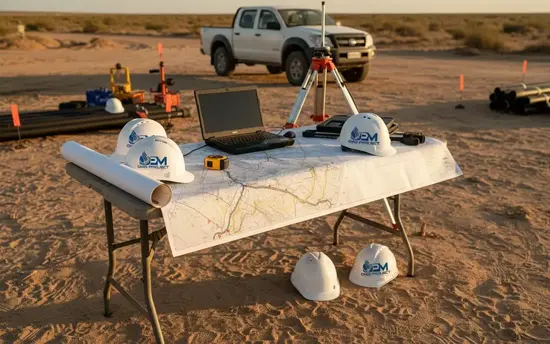
One of the earliest and most critical Challenges in Pipelines Projects is land acquisition. Securing the right-of-way (ROW) demands negotiations with landowners, governmental bodies and sometimes indigenous communities. Mismanaged acquisition can lead to legal disputes, project delays and increased costs.
Pipelines traverse diverse private, public and tribal lands, each governed by specific property laws and communal agreements. Effective land acquisition strategy requires granular mapping of ownership boundaries, easement definitions and associated mineral rights.
Private Landowners: Compensation must be fair, transparent and swift to maintain goodwill. Disputes often arise over the scope of the easement (temporary construction corridor vs. permanent ROW).
Governmental Bodies: Securing permits from municipal, county, state and federal agencies (e.g., DOT, EPA, FERC) introduces overlapping requirements and bureaucratic lag times.
Indigenous Communities: Projects crossing ancestral lands require extensive consultation, adherence to historical preservation acts and respecting sovereignty, which often demands specialized socio-cultural liaison teams.
Failure to secure uncontested ROW early in the planning phase forces costly rerouting or litigation. Legal teams must ensure due diligence regarding existing liens, historical land use agreements and environmental restrictions tied to the specific parcel of land. The legal framework for eminent domain, where applicable, must be navigated with precision, as overuse can severely damage public relations and project viability.
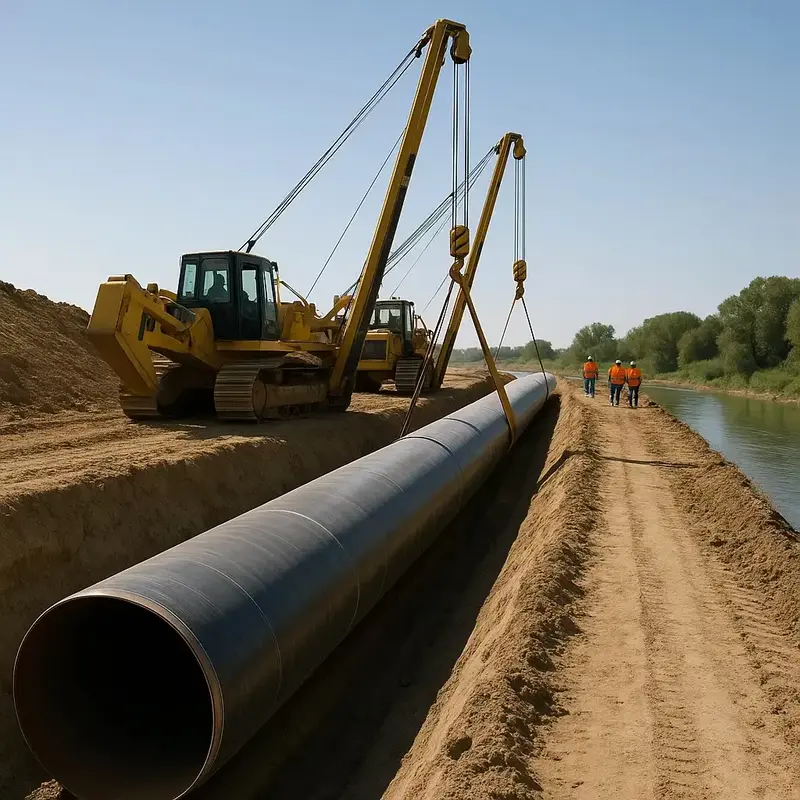
Dealing with obstacle removal and crossing existing structures represents a major aspect of the Common Challenges in Pipelines Projects. Pipelines frequently traverse rivers, mountains, highways and existing utility corridors, each presenting unique engineering and safety concerns. To manage these complexities, teams must assess terrain stability, water‑flow behavior and geological conditions before deciding on the most reliable and cost‑effective crossing solutions.
Crossing major waterways requires specialized construction methodologies to prevent scouring, minimize sediment disruption and adhere to navigation safety standards.
HDD (Horizontal Directional Drilling): This technique is preferred for minimizing surface impact. Successful HDD requires precise geological modeling, as drilling through unexpected rock formations or unstable soil layers can cause drill string failure or inadvertent returns (IRs) into the surface environment. The required pullback force ( F_p ) and trajectory control are critical engineering parameters.
Trenching and Casing: For shallower crossings, open-cut trenching may be used, but this demands cofferdams, dewatering and highly scrutinized environmental protection plans to manage turbidity and habitat disturbance.
Under existing highways, railways, or developed areas, pipelines often require deep burial within reinforced concrete casings or jacking/tunneling methods. Coordination with asset owners (railroads, utility companies) is paramount to schedule necessary shutdowns or traffic diversions, often requiring overnight or holiday work windows to minimize disruption.
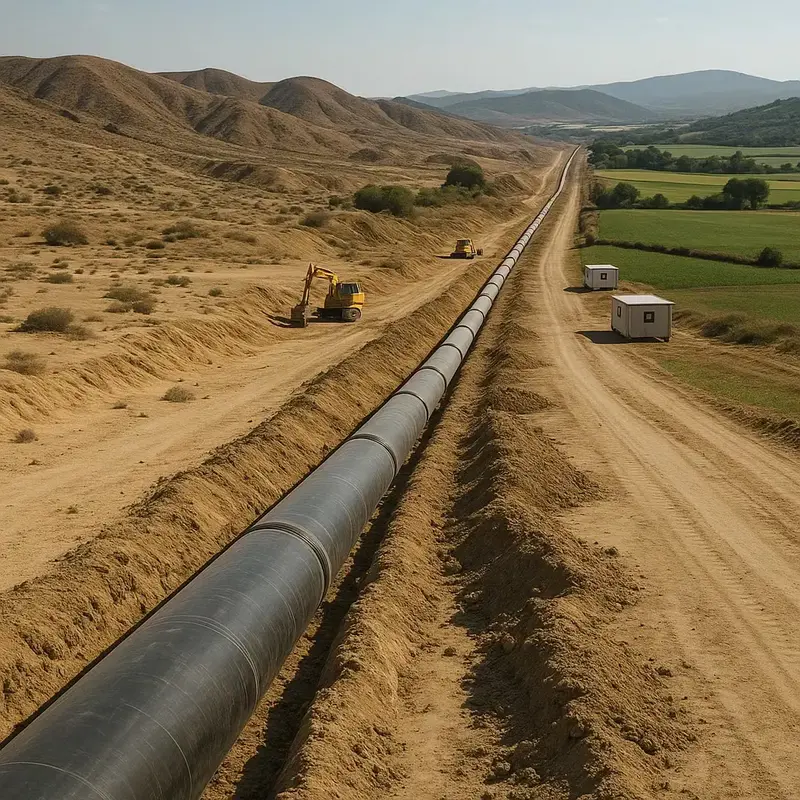
Due to the linear nature of pipelines, projects often span hundreds of kilometers. This extensive geographical spread results in fragmented supervision, equipment mobilization challenges and diverse regulatory conditions across various jurisdictions.
Managing logistics across vast distances introduces complexity in material flow (pipe segments, coatings, welding consumables) and personnel deployment. Mobilizing heavy lift equipment to remote locations, often requiring temporary road construction, adds significant non-productive time and cost.
Effective coordination requires centralized data management capable of handling real-time updates from geographically separated segments.
Control Systems: Implementing a robust Enterprise Resource Planning (ERP) system tailored for construction that integrates scheduling (P6), material tracking (RFID) and quality control data is essential.
Field Reporting: Utilizing secure cloud platforms allows site supervisors to upload daily progress reports, safety checklists and photographic evidence instantly, enabling headquarters to maintain a holistic, real-time view of the project status.
One of the Common Challenges in Pipelines Projects is performing proper nitrogen purging and preservation. This process is essential for maintaining pipeline cleanliness, preventing oxidation and ensuring internal safety before commissioning. If purging is done incorrectly, it can lead to contamination, corrosion or other operational hazards—especially when the pipeline is intended to carry high‑purity products or sour gas. Effective nitrogen purging plays a vital role in protecting pipeline integrity and ensuring long‑term reliability.
Nitrogen as an inert gas, is used to displace oxygen and moisture from inside the pipeline. The efficiency of the purging activity depends on factors such as pipe diameter, internal volume and the target residual oxygen level. Maintaining continuous positive pressure throughout the process is essential to prevent atmospheric air from entering the system. Proper monitoring of flow conditions and pressure ensures complete removal of oxygen and humidity, allowing the pipeline to stay dry and chemically stable.
For pipelines waiting for tie‑ins, inspections or regulatory approvals that delay commissioning, preservation techniques are vital. These procedures typically include:
Maintaining proper nitrogen purging and preservation not only safeguards pipeline integrity but also ensures the system remains stable and ready for safe commissioning when operations commence.
Hot tapping allows new branch connections on live pipelines without shutting down operations. It demands advanced planning, technical expertise and rigorous HSE protocols. The risk of fire, explosion, or fluid leakage makes hot tapping one of the most hazardous tasks in pipeline maintenance or modification.
The design involves specialized equipment: a hot-tap sleeve, a hot-tap valve and a drilling mechanism. The integrity of the weld connecting the sleeve to the mainline pipe is critical. Weld quality must be 100% verified, usually via radiography (RT) or Magnetic Particle Inspection (MPI), as weld defects under pressure pose an immediate catastrophic risk.
Safety management focuses on controlling the process fluid:
Pressure and Temperature Derating: The capacity of the hot tap equipment must be certified for the operating pressure and temperature of the live line.
Ventilation and Gas Monitoring: Continuous monitoring for the specific fluid (e.g., LEL monitoring for hydrocarbons, H2S detection) is mandatory in the immediate vicinity of the tap point.
Emergency Shutdown (ESD) Procedures: Clear, rehearsed procedures must be in place for immediate response should the drilling operation compromise the integrity of the mainline barrier.
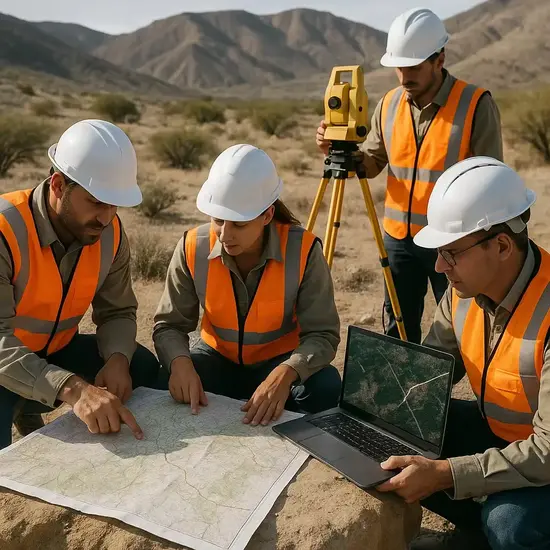
Selecting an optimal pipeline route influences construction cost, safety and future maintenance efficiency. Geographical information systems (GIS) and satellite mapping aid in evaluating terrain, population density and ecological sensitivity.
Route optimization uses complex modeling to balance competing factors:
Cost: Shorter routes with favorable topography (fewer steep slopes, minimizing rock trenching) are preferred.
Risk: Avoiding known geological hazards such as active fault lines, unstable slopes, or high-seismicity zones is non-negotiable.
Environmental Impact: Minimizing intrusion into wetlands, protected habitats, or areas designated as scenic corridors drastically reduces permitting risk and public opposition.
The final alignment must satisfy hydraulic requirements (e.g., minimum pressure gradients) while adhering to minimum separation distances from existing infrastructure or population centers, often defined by code requirements like CFR 49 Part 192.
Among the Common Challenges in Pipelines Projects, securing all necessary permits and maintaining strict regulatory compliance is often a major hurdle. Pipeline development involves multiple layers of approvals—environmental, operational and safety permits from both local and national authorities. This process frequently becomes time‑intensive due to overlapping jurisdictions and varying legal requirements, which can slow down project timelines if not planned and managed efficiently.
In cross-border or multi-state projects, the number of agencies involved can exceed twenty. Delays often stem from inadequate pre-application consultation, leading to late discovery of unforeseen regulatory hurdles (e.g., endangered species habitats, historical artifacts).
Effective oil and gas project management plays a vital role here, facilitating documentation, coordination and submission procedures across different agencies. A dedicated compliance team must track the status of every required approval, linking schedule milestones directly to permit issuance dates.
Regulations evolve during the typically multi-year life cycle of a major pipeline project. The design team must implement a stringent change management process to incorporate new safety factors or environmental requirements retroactively without invalidating already secured permits or triggering re-review cycles.
Pigging operations maintain pipeline efficiency by cleaning internal surfaces, inspecting wall integrity and identifying possible corrosion. Selecting the correct pig type—cleaning, gauging, or intelligent (smart pig)—is crucial for operational accuracy.
The choice depends on the line’s intended service and inspection goals:
Cleaning Pigs: Used to remove construction debris, wax, or hydrates. Sizing must account for minor variations in pipe diameter and fittings geometry (e.g., maintaining a 90% seal efficiency).
Intelligent (Smart) Pigs: These magnetic flux leakage (MFL) or ultrasonic tools assess metal loss. The pig’s geometry must precisely match the line’s internal diameter tolerances to ensure sensor contact while being able to pass through all installed features (valves, wyes, etc.).
A significant challenge is ensuring the pig travels the entire designated distance without getting stuck. This requires precise tracking mechanisms (e.g., transmitters inside the pig shell) combined with pressure monitoring at the launcher and receiver stations. If a pig stops unexpectedly, the precise location must be determined quickly to initiate excavation or remote retrieval procedures before pipeline operations are unnecessarily halted.
All pipeline joints and fittings undergo precision welding, followed by insulation and quality inspections. Inadequate welding parameters or poor insulation can lead to leaks or premature failure, especially in corrosive environments or areas subject to thermal stress.
Welding procedures must adhere strictly to recognized codes (e.g., API 1104). Key variables monitored include heat input ( H_i ), interpass temperature and travel speed. Any deviation requires immediate Non-Destructive Testing (NDT).
Pipeline coating (often 3-layer polyethylene or fusion-bonded epoxy) protects against external corrosion. Application challenges include:
Surface Preparation: Achieving the required anchor profile (roughness) on the steel surface.
Application Defects: Pinholes, holidays, or excessive thickness variation. These defects must be identified using holiday detection equipment (testing dielectric strength) and repaired immediately before burial.
The handover phase requires a comprehensive documentation package, often termed the “As-Built” record. This includes verified welding records, NDT reports, coating quality assurance reports, alignment sheets and pressure test certificates. Failure to produce complete records can delay the pipeline’s final certification for commercial operation.
The handling of flammable, acidic, or explosive fluids poses severe HSE challenges. A robust safety framework is mandatory during design, construction and operation phases.
Hydrostatic pressure testing is mandatory before introducing hydrocarbons into a newly constructed pipeline. The test medium, generally treated water, helps confirm structural integrity and detect potential leaks. Calculating and applying the correct test pressure must follow engineered safety margins defined by industry codes and standards.
The primary safety challenge lies in managing the immense stored energy within the pressurized pipeline section. Strict exclusion zones are established and continuous monitoring of temperature and pressure ensures that the steel’s strength remains stable throughout the test. These precautions prevent catastrophic failures and protect both personnel and equipment during the testing process.
Once operational, internal corrosion caused by hydrogen sulfide, carbon dioxide, moisture or other contaminants becomes a constant threat. Integrity management programs must include routine pigging operations, continuous monitoring of fluid chemistry and the use of inline sensors to track wall thickness reduction over time. These proactive measures ensure that the pipeline remains within safe operating stress limits and avoids premature failures.
Understanding and mitigating the Common Challenges in Pipelines Projects enables firms to enhance reliability, safety and cost efficiency. Integrated project management, digital monitoring and a strong HSE culture together support successful pipeline delivery from concept to commissioning.
With experienced teams, data-driven planning, and a focus on quality, organizations like OPMGroup ensure that technical precision aligns with business outcomes—turning obstacles into operational excellence.
At OPM Group, we deliver comprehensive PMC tailored to ensure the successful execution of complex industrial and infrastructure projects.Our expertise spans from the bidding stage through to project completion, providing robust support at every phase.
Stay updated with the latest security trends offers by subscribing to our newsletter.
Copyright © 2025 All Rights Reserved.