
Mobilization Requirements define the essential conditions that allow a project to transition smoothly from planning into execution. Before construction begins, the site must be prepared with proper access routes, temporary infrastructure, utilities, safety controls, logistics pathways and workforce facilities. When these elements are planned in advance, early‑stage delays caused by missing resources or unorganized workflows are significantly reduced. A structured mobilization approach also ensures that contractors, suppliers and on‑site teams begin their duties with a clear operational framework. OPM Group manages this phase through a focused and site‑specific method, creating organized and functional conditions that support the first steps of construction across diverse project environments.
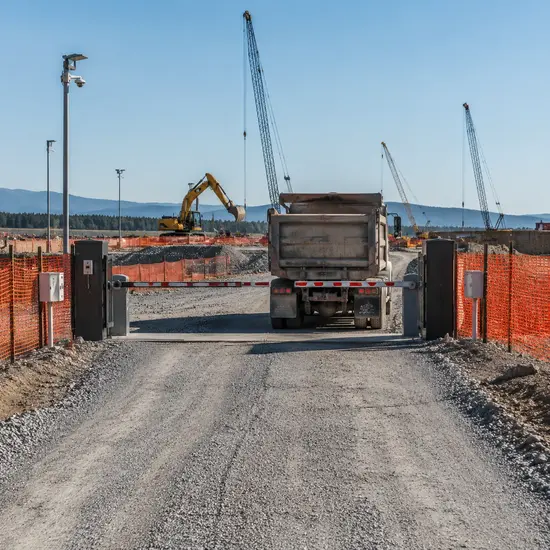
During the initial stage of project site mobilization, engineers evaluate terrain conditions, surrounding roads, entry points, and nearby logistics routes. These factors determine where temporary roads, access gates, and vehicle pathways should be located. Proper planning prevents congestion and reduces delays during the delivery of heavy equipment or construction materials.
Establishing controlled entry points is a fundamental part of a comprehensive project mobilization plan. Access gates must support both workforce movement and the transportation of heavy machinery while maintaining safety and security protocols.
Typically, separate lanes are established for personnel and equipment. Worker access gates often include security checkpoints, identification verification systems and pedestrian pathways. Equipment entry points require wider turning areas, reinforced surfaces and clear visibility for vehicle maneuvering.
When defining these access points, planners also consider peak working hours and delivery schedules. If multiple contractors operate simultaneously, dedicated gates may be assigned to specific work zones to avoid congestion.
OPM Group integrates gate design, security procedures and traffic planning to ensure that daily site operations begin smoothly. This structured approach prevents logistical bottlenecks and maintains an organized flow of personnel and machinery from the very first day.
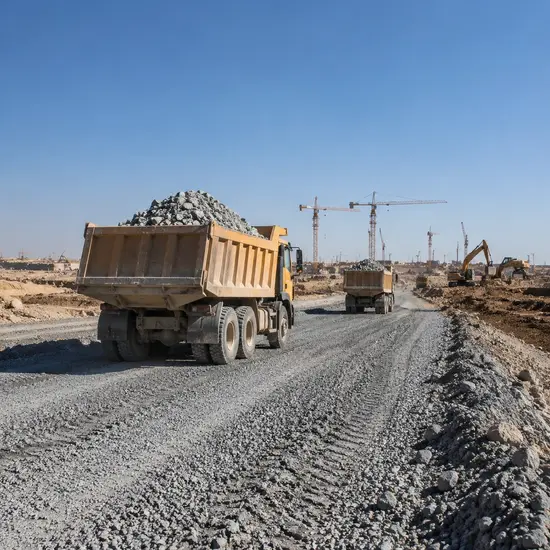
Heavy equipment and material deliveries require durable access roads even before permanent infrastructure is constructed. Temporary roads therefore form a key component of Mobilization Requirements.
These roads are typically built using compacted aggregates, geotextile layers, or temporary steel plates depending on soil conditions and expected loads. Drainage systems must also be considered to prevent water accumulation that could weaken the road base.
road placement should align with future construction zones, storage areas and laydown spaces. Poorly located access roads often interfere with later construction activities and may require relocation.
By integrating transportation flow, OPM Group ensures that temporary road networks support both early mobilization logistics and long-term construction phases.
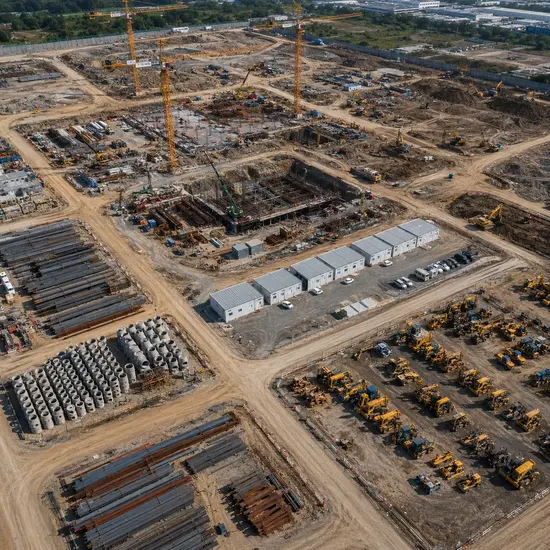
Once access routes are established, the internal arrangement of the project site must be carefully planned. Site layout determines how efficiently teams move materials, equipment and personnel during construction.
Construction sites often operate within limited physical boundaries. Efficient use of available space therefore becomes a key consideration during the early stages of site setup and planning.
Planners analyze equipment dimensions, vehicle turning radii, material storage needs and safety buffers before allocating space. This prevents overlapping activities that could slow down operations or create hazards.
During the initial mobilization phase, spatial efficiency also affects material handling. When storage zones are located near their corresponding work areas, transportation time and equipment usage decrease.
OPM Group integrates spatial analysis into the project mobilization plan to ensure that every area inside the project boundary serves a clear operational purpose.
Dividing the project site into functional zones improves organization and safety. Typical zones include construction work areas, equipment yards, storage zones, administrative offices and welfare facilities.
Administrative areas should remain separated from heavy construction operations. This separation reduces exposure to noise, dust and heavy machinery movement.
Operational zones, on the other hand, are organized around specific construction tasks such as fabrication, material preparation, or equipment maintenance. During the early site setup phase, these zones are marked and secured to guide contractor activities.
By incorporating zoning principles into the overall site planning framework, OPM Group creates a structured working environment that supports efficient collaboration among multiple project teams.
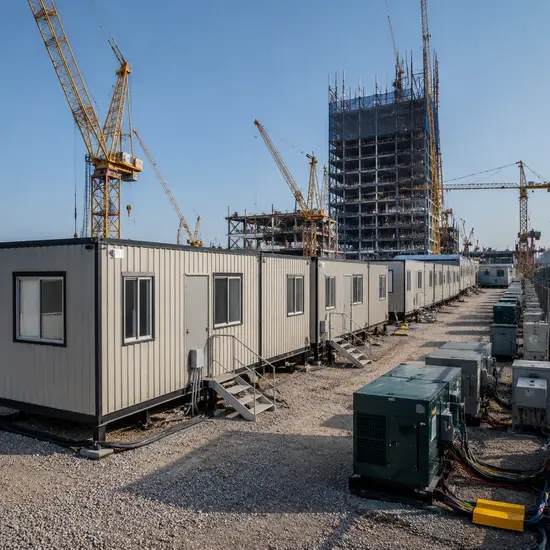
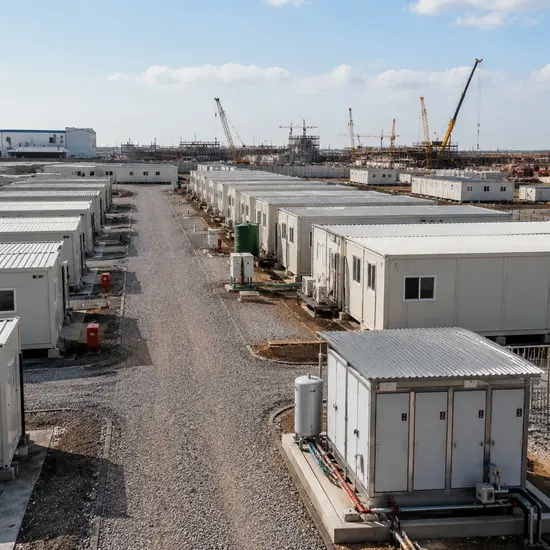
Site management teams require dedicated administrative spaces where coordination, documentation and planning activities take place. Temporary modular buildings are commonly used during the early stages of site setup because they can be installed quickly and expanded as the project grows.
These office units usually include meeting rooms, engineering workspaces, document storage areas and communication centers. Reliable internet connectivity and communication systems are essential to maintain coordination between field teams and remote stakeholders.
When defined during the early planning stage, office modules are positioned near the main entrance and primary logistics routes. This placement allows visiting engineers, suppliers and client representatives to access administrative facilities without entering heavy construction zones.
Large projects often require on‑site accommodation for part of the workforce. Housing units, dining areas, rest zones and sanitation facilities must therefore be included within the Mobilization Requirements.
Accommodation camps are typically designed according to workforce capacity and project duration. Adequate ventilation, hygiene facilities and emergency services are essential to maintain safe living conditions.
During the early site setup phase, camp locations are selected to minimize interference with construction activities while remaining accessible to transportation routes.
Utilities allow the project site to function as a self‑sufficient operational environment. Electricity, water supply and communication systems are therefore established as core elements during the early site preparation phase.
OPM Group evaluates project requirements and environmental conditions to establish reliable temporary utility networks that support continuous site operations.
Temporary electrical systems provide energy for nearly every operation on a construction site. During the early planning stage, engineers define generator capacity, distribution networks and backup power arrangements.
Generators are usually installed in designated utility zones with proper ventilation and safety barriers during project site mobilization. Distribution panels then supply electricity to offices, accommodation units, lighting systems and construction equipment.
Backup generators are also included in the project mobilization plan to maintain operations during unexpected outages. This redundancy prevents disruptions in communication systems, security infrastructure and critical construction activities.
Modern construction projects rely heavily on digital communication and data exchange. Internet connectivity, network systems and communication platforms are therefore included in Mobilization Requirements.
Network infrastructure is installed to connect site offices, engineering teams and remote stakeholders. Wireless networks, fiber connections, or satellite systems may be used depending on site location.
Reliable connectivity allows teams to share drawings, update schedules, manage documentation and conduct remote coordination meetings.
Health, Safety and Environment (HSE) planning begins before physical construction activities start. During the early site preparation stage, safety procedures, environmental controls and security measures are defined for the entire site.
Each project location presents unique environmental and operational risks. A site‑specific HSE plan therefore forms part of the core Mobilization Requirements.
This plan identifies hazards related to terrain conditions, equipment operations, chemical materials and environmental impact. Control measures are then defined to reduce these risks.
Contractors receive safety guidelines and operational procedures that align with the overall HSE framework.
OPM Group incorporates risk assessments and regulatory compliance requirements into its mobilization framework to establish a consistent safety culture across all contractors.
Physical security measures protect both personnel and project assets. During the early site preparation stage, the project perimeter is secured with fencing, controlled gates and surveillance systems.
Access control procedures may include identification badges, biometric systems, or electronic registration platforms. These systems track workforce entry and exit while preventing unauthorized access. Security infrastructure is installed alongside main access gates and administrative areas.
OPM Group integrates security planning into the project mobilization plan to maintain controlled site access and protect critical project resources.
Material deliveries and heavy equipment transportation require carefully planned movement patterns. Dedicated routes are often created for large vehicles to avoid conflicts with pedestrian pathways.
Turning radii, road width and load capacity must accommodate cranes, trucks and other construction equipment. Poorly designed routes often cause delays or safety hazards during peak delivery periods.
logistics engineers analyze expected delivery volumes and equipment sizes before finalizing transportation paths.
OPM Group integrates these considerations into its overall mobilization framework to maintain a consistent flow of materials across the project site.
Large construction sites may receive dozens of deliveries each day. Without structured traffic management, congestion can slow down operations and increase safety risks.
Traffic management strategies within Mobilization Requirements often include designated waiting areas, scheduled delivery windows and one‑way traffic routes.
signage, road markings and coordination procedures are introduced to guide vehicle movement.
OPM Group incorporates traffic management planning into its mobilization framework to ensure that logistics operations remain organized as construction activities scale up.
Material storage is another essential part of early site preparation. Construction projects rely on a continuous supply of materials, equipment components and spare parts. Without structured storage planning, materials may become damaged, misplaced, or difficult to access.
Certain construction materials require controlled environmental conditions. Electrical equipment, instrumentation components and specialized coatings can be damaged by humidity or temperature fluctuations.
Climate‑controlled storage units may be installed to protect such materials. These units typically include ventilation systems, temperature monitoring devices and restricted access.
planners identify which materials require controlled storage and allocate dedicated warehouse space accordingly.
Large structural materials such as steel sections, pipes, or precast elements are often stored in open laydown yards. These areas must allow easy access for cranes, forklifts and transport vehicles.
Within Mobilization Requirements, storage zones are arranged according to construction sequence so that materials required earlier remain easily accessible.
Inventory management systems also support project site mobilization by tracking material arrivals, storage locations, and usage records.
OPM Group establishes structured coordination frameworks that support collaboration between engineering teams, contractors and project owners during the early phases of construction.
Engineering, procurement, logistics, and construction teams all interact during mobilization. Clear communication channels are therefore necessary to avoid misunderstandings.
Coordination meetings, reporting schedules, and communication platforms are defined to support collaboration between project teams.
these systems allow teams to share updates regarding site preparation progress, infrastructure installations, and upcoming construction activities.
Subcontractors often perform specialized construction tasks. Their integration into the project must begin early during the initial site preparation phase.
Within Mobilization Requirements, subcontractors receive site layout plans, safety guidelines, logistics procedures and access instructions.
Early coordination ensures that subcontractors understand site rules, available facilities and operational zones before construction begins.
Construction projects require a structured workforce strategy from the earliest stage of mobilization. Labor demand changes based on the project phase, construction methods and equipment requirements. Workforce numbers, skill categories and mobilization schedules are therefore clearly defined to align personnel availability with upcoming construction activities.
induction programs introduce workers to site rules, safety procedures, emergency protocols and operational zones. Workers also receive guidance on access routes, restricted areas, personal protective equipment requirements and reporting procedures.
A structured project mobilization plan outlines training requirements and documentation standards to ensure compliance with safety regulations. OPM Group integrates workforce planning and safety orientation into the overall mobilization framework to support organized site operations from the beginning of the project.
At OPM Group, we deliver comprehensive PMC tailored to ensure the successful execution of complex industrial and infrastructure projects.Our expertise spans from the bidding stage through to project completion, providing robust support at every phase.
Stay updated with the latest security trends offers by subscribing to our newsletter.
Copyright © 2025 All Rights Reserved.