
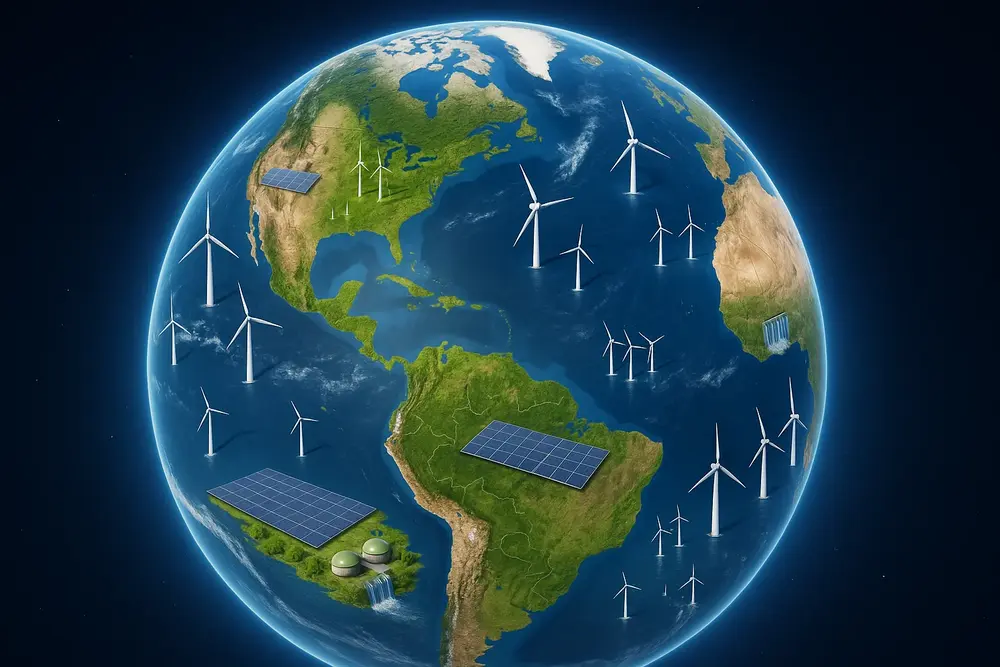
Renewable energy projects are now at the heart of the global movement toward cleaner, more sustainable energy production. Across continents, governments and companies are accelerating investments to meet climate goals, improve energy security and stimulate economic growth.
At OPM Group, we have seen first-hand how the right project management approach transforms renewable energy initiatives from concept to reality. With our expertise in project scheduling services, project quality management, and project risk control, we ensure that ambitious sustainable energy projects are delivered on time, within budget and to the highest industry standards.
The era of fossil fuel dominance is fading. Coal, oil and natural gas—though historically vital for industrial growth—come with environmental damage, supply volatility and finite reserves. Energy-related CO₂ emissions remain a top driver of climate change, threatening ecosystems and economies worldwide.
Renewable energy projects harness abundant resources such as sunlight, wind, flowing water, biomass and geothermal heat. This results in low-emission, predictable and economically competitive energy. They also fit perfectly within the scope of sustainable energy projects, prioritizing environmental stewardship and long-term viability.
In 2022, renewable sources accounted for over 83% of newly installed global capacity, signaling both market confidence and global commitment.
Each renewable energy project type offers distinct benefits, both for energy systems and local communities.
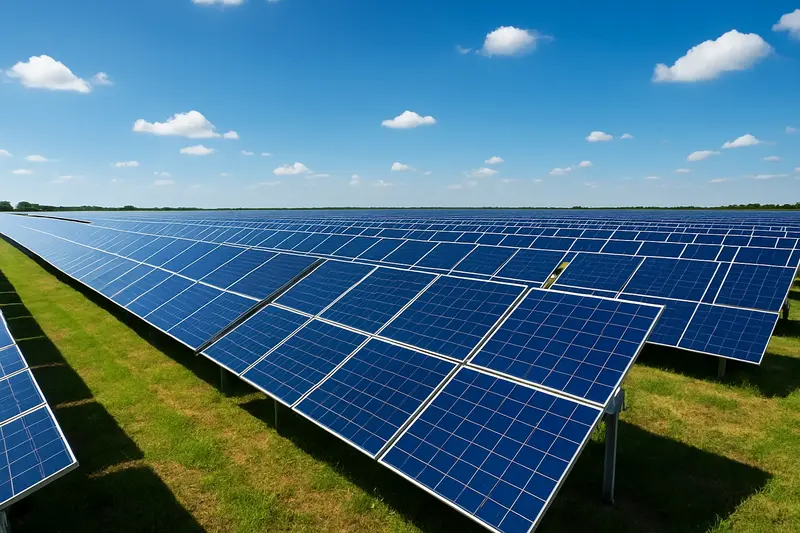
Solar energy projects form one of the fastest-growing segments of renewable energy projects. Falling installation costs, government incentives, and vast sunlight resources make them a cornerstone of sustainable energy projects worldwide. These initiatives use photovoltaic (PV) panels or concentrated solar power (CSP) systems to convert sunlight into electricity or heat.
Solar projects generate significant economic returns. They create jobs along the value chain—from manufacturing panels and inverters to installation and maintenance.
Example : Tengger Desert Solar Park (China)
Such projects encourage further renewable investments and supply chain growth in host regions.
Solar energy projects increase access to clean power, especially in off-grid rural areas. By reducing dependence on imported fuels, communities enjoy greater energy security and price stability.
In areas served by the Tengger Desert Solar Park, over 2 million households now benefit from reliable clean electricity—improving quality of life and reducing outage risks.
Switching from coal or oil to solar drastically lowers greenhouse gas emissions. The Tengger Desert Solar Park offsets millions of tonnes of CO₂ annually.
Cleaner air results in healthier populations and more resilient local ecosystems. Solar projects also reduce water usage compared to traditional thermal plants.
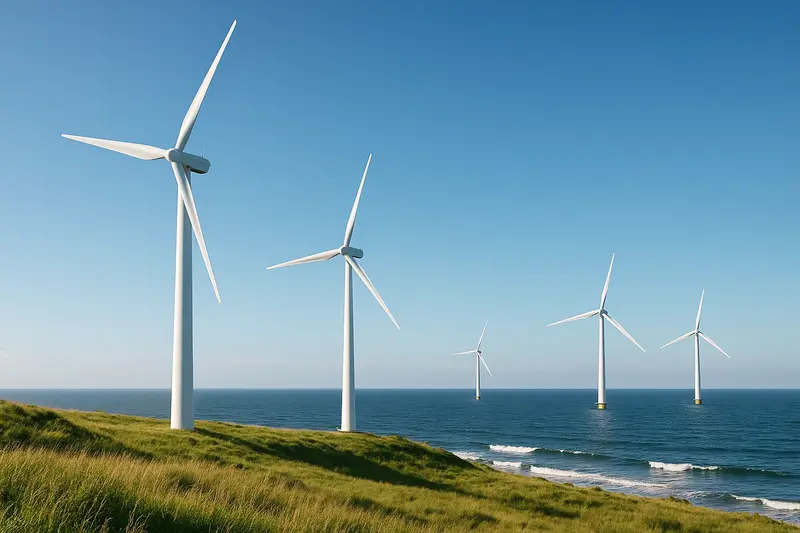
Wind energy projects harness the kinetic power of wind through turbines—either onshore or offshore—to produce clean electricity. Offshore sites often deliver steadier output thanks to consistent wind patterns, making them vital in renewable energy projects. These initiatives reduce carbon emissions, strengthen energy security and create thousands of skilled jobs in installation, maintenance and grid integration.
Example: Hornsea 2, UK
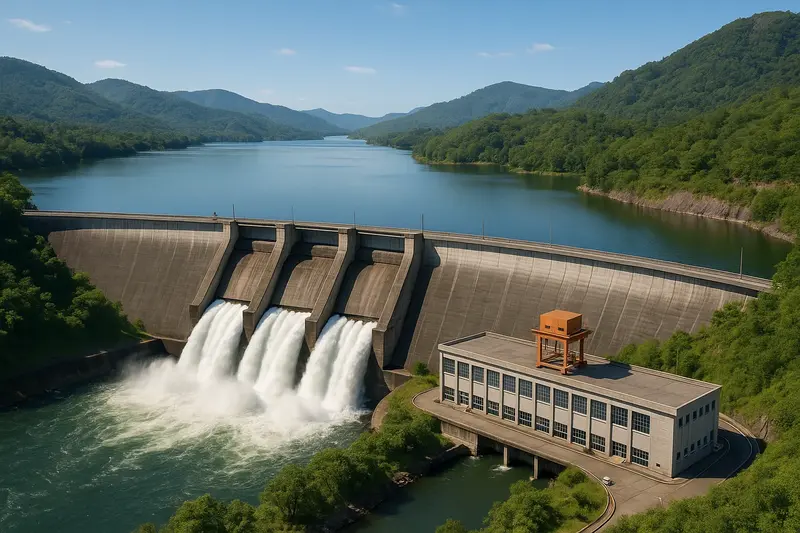
Hydropower projects generate electricity by using the force of flowing or falling water to turn turbines. As a major part of renewable energy projects, they offer reliable, large-scale power production with minimal emissions. These projects also provide benefits such as flood control, stable water supplies for agriculture and long-term energy security for growing populations.
Example: Three Gorges Dam, China
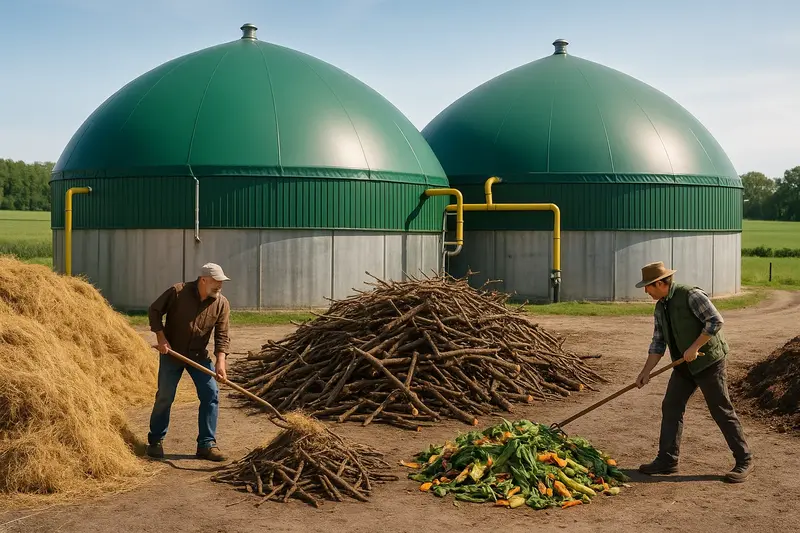
Biomass and biogas projects convert organic materials—such as agricultural waste, forestry residues or food scraps—into electricity, heat, or renewable fuel. In the spectrum of renewable energy projects, they support a circular economy by reducing landfill waste and creating value from resources that would otherwise be discarded. These projects also help cut greenhouse gas emissions while providing local farmers and communities with new income streams.
Example: Sweden’s Biomass District Heating Systems
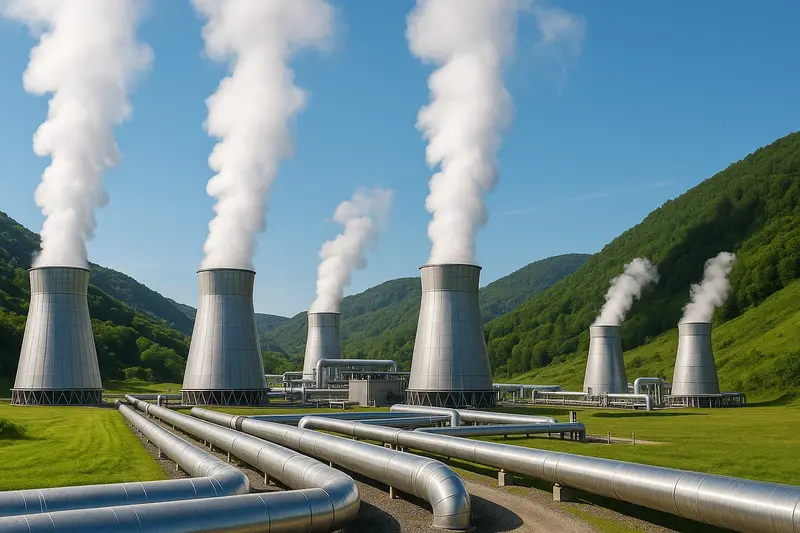
Geothermal energy projects tap into the Earth’s natural heat to generate electricity or provide direct heating. As part of renewable energy projects, they deliver stable, year-round power with minimal environmental impact. These initiatives reduce reliance on imported fuels, lower heating costs and offer long-term energy security—especially in regions with abundant geothermal resources.
Example: Hellisheiði Power Plant, Iceland
ETL projects transform captured carbon dioxide and hydrogen into synthetic fuels or chemical products, such as methanol. Within renewable energy projects, they provide a path to reuse emissions, reduce industrial carbon footprints, and create valuable export commodities. This technology supports sustainability goals while opening new economic opportunities in green manufacturing and energy markets.
Example: Vulcanol®, Iceland
Since solar and wind are inherently variable, energy storage ensures consistency in supply.
Example: Adelaide Virtual Power Plant, Australia

Renewable energy projects face a broad and interconnected set of technical, financial, regulatory, and operational challenges throughout their lifecycle. Addressing these issues requires more than a high-level overview, as each challenge can influence project performance, risk exposure, and long-term returns in different ways. Since this topic is extensive and cannot be fully explored in a single overview, we have prepared a dedicated resource that examines types of renewable energy project challenges in detail, offering a structured perspective for developers, investors, and project managers.
Advantages of renewable energy projects include:
These factors make sustainable energy projects not only environmentally wise but also economically strategic.
While fossil fuels provide continuous power, they create pollution, face supply disruption and come with volatile pricing.
Renewable energy projects, with smart supporting infrastructure, offer stability without ecological harm—making them a modern alternative that aligns with both societal and environmental priorities.
OPM Group supports clients throughout the renewable energy project lifecycle:
By seamlessly managing these elements, we help projects avoid costly overruns, maintain stakeholder trust and achieve measurable impact.
Renewable energy projects are shaping the future of global energy systems. Through strategic planning, precise execution and professional management, initiatives from solar farms to ETL plants can deliver clean power, economic growth and environmental protection.
At OPM Group, we take pride in guiding these projects to success—helping clients turn bold sustainable energy visions into reality.
At OPM Group, we deliver comprehensive PMC tailored to ensure the successful execution of complex industrial and infrastructure projects.Our expertise spans from the bidding stage through to project completion, providing robust support at every phase.
Stay updated with the latest security trends offers by subscribing to our newsletter.
Copyright © 2025 All Rights Reserved.