
Understanding the earthquake coefficient in construction is essential for designing safe and resilient structures across modern industries. At OPM Group, operating from Canada and Germany, we integrate this factor into every stage of project delivery to ensure long-term stability and compliance. As part of our broader approach to Earthquake Risk Management, we evaluate seismic behavior early in the planning phase and align all stakeholders around correct engineering assumptions. You can learn more about our methodology through our dedicated internal page on project risk control. With diverse projects in data centers, renewable energy facilities, buildings and oil & gas, our teams rely on accurate seismic calculations to manage risks and protect investment. The earthquake coefficient plays a central role in shaping design decisions, scheduling, material selection and operational performance for high-value assets.
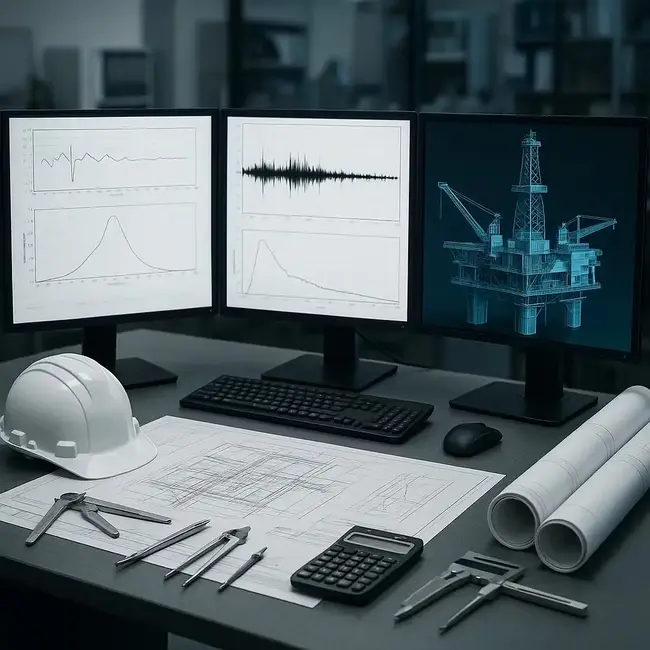
The earthquake coefficient in construction is a numerical value that represents the horizontal seismic forces expected during an earthquake. Engineers use it to determine how much lateral load a structure must resist to remain safe and functional. This coefficient depends on several inputs, including seismic zone classification, ground conditions, building mass, structural importance and local building codes. By correctly applying the coefficient, project teams can estimate loads with precision and design structural systems that provide adequate resistance. For complex industrial assets, this coefficient influences everything from foundation geometry to bracing configuration. At OPM Group, we verify that seismic parameters reflect both regulatory requirements and the operational needs of each project. A properly calculated coefficient reduces engineering uncertainty and supports a predictable construction process.
This parameter affects multiple layers of project management. It determines how design teams assign loads and verify structural safety. When the coefficient is incorrect, projects face costly rework, delays and compliance issues. For companies working in fast-growth sectors such as data centers or renewable energy, these risks affect timelines and long-term performance. OPM Group integrates seismic reviews into risk workshops, design milestones and procurement activities to ensure that early assumptions remain accurate during construction. With offices in Germany and Canada, we bridge regional standards and best practices to deliver consistent outcomes in various regulatory environments.
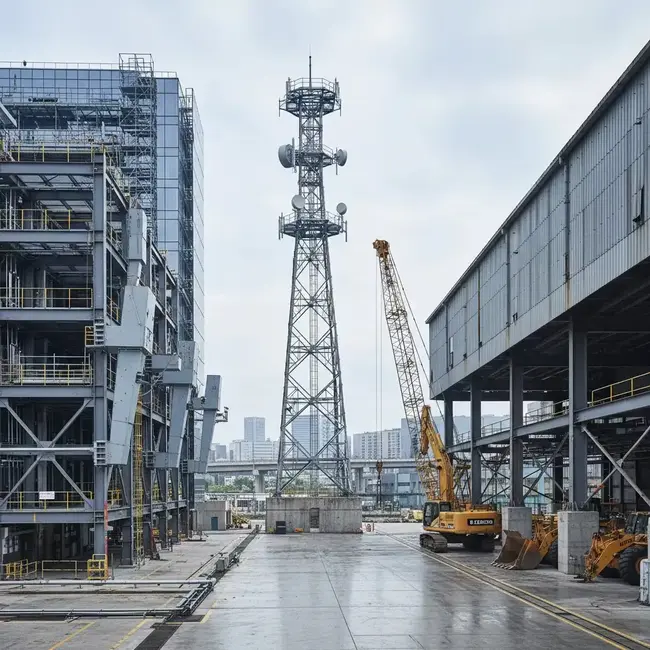
Structural safety depends on accurate load assessment. The earthquake coefficient in construction helps engineers verify lateral resistance, displacement limits and overall structural integrity. Buildings, towers and industrial equipment must withstand dynamic ground motion. By aligning the coefficient with local seismic codes, OPM Group ensures that clients meet regulatory expectations without unnecessary overdesign. A balanced coefficient reduces both construction costs and safety risks. Through interdisciplinary design reviews, our team confirms that structural, mechanical and architectural systems respond appropriately to seismic forces. This coordinated approach minimizes discrepancies between design documents and real-world performance.
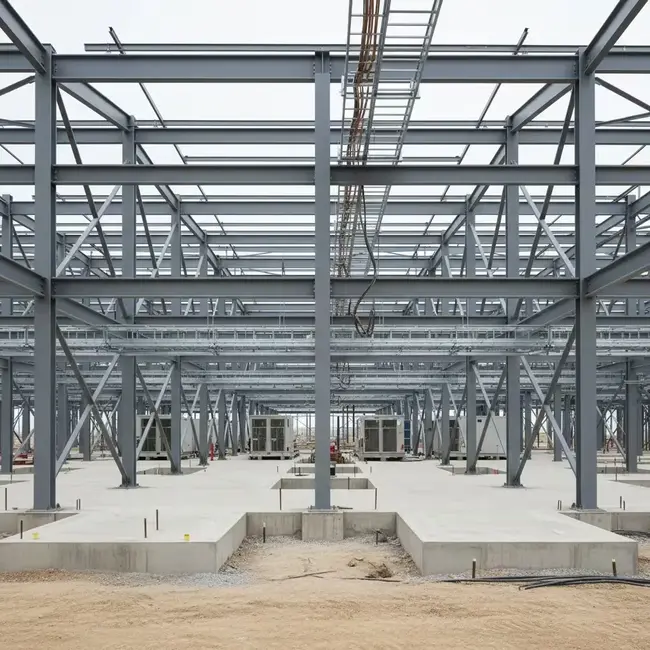
Data center development requires precise engineering due to continuous operational demands. The earthquake coefficient in construction shapes decisions about structural systems, equipment mounting and internal stability. Data halls contain heavy loads, including UPS units, battery cabinets, racks, generators and cooling systems. These elements increase the seismic mass of the facility. Accurate coefficients ensure that structural elements can resist lateral forces without excessive movement. A small error may significantly affect foundations, steel framing and bracing systems. OPM Group ensures that seismic considerations are integrated into early design meetings and value‑engineering workshops to prevent future rework.
Anchoring equipment is essential in seismic zones. This coefficient determines the minimum anchoring forces for critical systems. Poor anchorage can cause rack collapse, cable failures, and safety hazards. Our project managers coordinate closely with MEP designers to ensure equipment anchorage is consistent across drawings and vendor packages. Proper anchoring improves post‑event recovery and minimizes downtime. Cable trays, cooling units and battery lines must follow standardized seismic practices to maintain structural integrity during ground movement.
Tier‑rated facilities rely on redundancy to maintain uptime. Seismic design influences cooling loops, electrical routes and fuel systems. At OPM Group, we review redundancy layouts through the lens of the earthquake coefficient in construction to confirm that emergency paths remain operational under seismic stress. This evaluation supports long-term resilience and reduces the risk of unplanned outages.
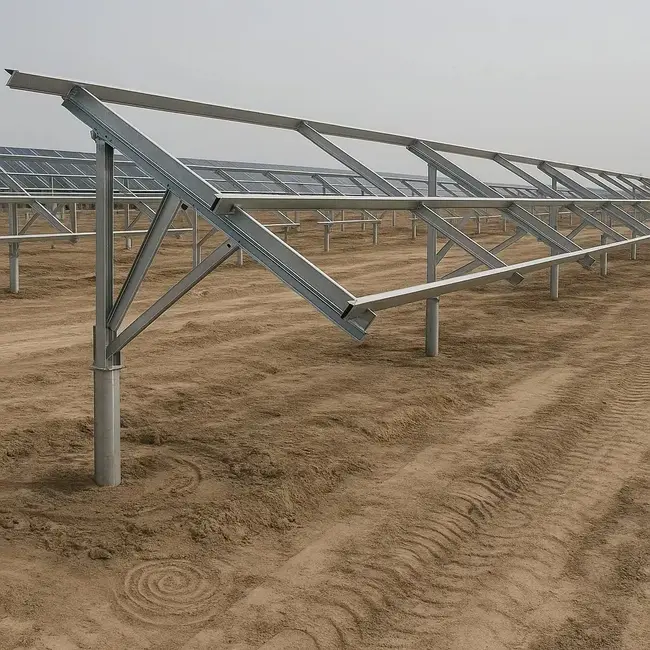
Renewable energy systems, especially solar farms and wind turbines, must withstand environmental and seismic forces simultaneously. This factor helps engineers assess structural behavior under combined loading conditions.
Solar installations require stable foundations and racking systems. Soil type and compaction influence seismic behavior. An accurate coefficient determines pile depth, steel thickness and tracker stability. When coefficients are too low, structures may shift or tilt, reducing energy production. OPM Group works with geotechnical consultants to validate soil parameters and incorporate seismic findings into procurement specifications. This ensures long-term stability across variable terrain conditions.
Wind turbines experience high dynamic loads during operation. Seismic forces add additional stress. The earthquake coefficient in construction helps determine tower wall thickness, base geometry and bolt sizing. Turbine manufacturers often require strict compliance with seismic standards. OPM Group ensures that design consultants and turbine suppliers align their data to avoid conflicts. Our approach minimizes installation risks and ensures that the turbine structure performs predictably during earthquakes.
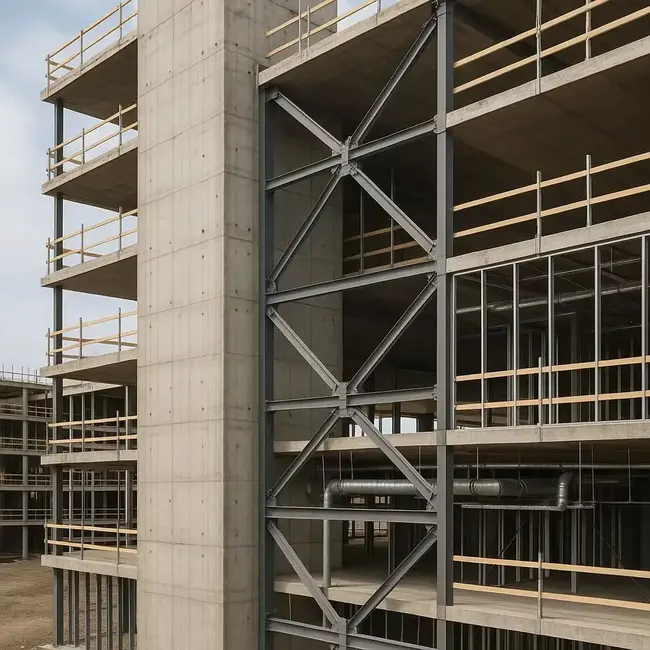
Commercial and residential buildings must meet safety standards while remaining functional and cost-efficient. For high-rise developments, seismic loads influence core layout, bracing systems and material selection. OPM Group ensures that early architectural decisions align with structural requirements to avoid conflicts in later design stages.
MEP systems, façades and internal partitions require seismic fastening. The earthquake coefficient in construction ensures that suspended ceilings, ductwork and piping have adequate movement tolerance. Our project management practices emphasize coordination among mechanical, electrical and architectural teams to reduce installation errors. By integrating seismic details into shop drawings and construction checklists, we protect both occupants and long-term operational functionality.
Oil & gas infrastructure includes pipelines, refineries, compressor stations and storage facilities. These assets operate under high pressures, making seismic design a safety priority.This coefficient guides engineers in determining the forces that pipelines and equipment must resist.
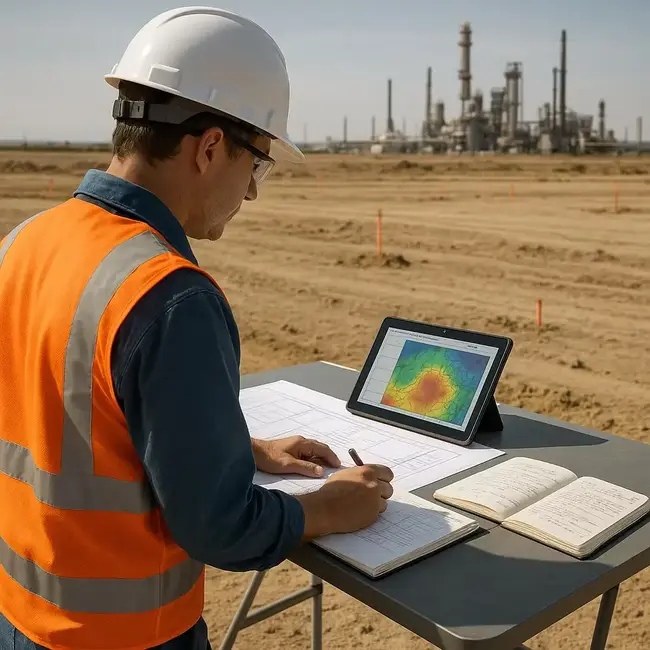
Pipelines cross varied geological conditions. During an earthquake, ground displacement can create bending forces that exceed allowable limits. The coefficient helps engineers design flexibility points and anchoring strategies. OPM Group ensures these values are incorporated into HAZOP reviews and risk assessments to prevent leaks or structural failures.
If you need comprehensive insights into the challenges of pipeline projects, you can benefit from our in‑depth resources on this topic.
Refinery units, pressure vessels and rotating equipment require precise seismic calculations. The earthquake coefficient in construction determines platform strength, support spacing and foundation requirements. We coordinate with structural engineers and vendors to ensure equipment models reflect consistent seismic assumptions. This reduces the risk of installation errors and enhances long-term operational safety.
At OPM Group, seismic management is integrated into our project lifecycle. This coefficient guides early planning, design reviews, procurement strategies, and construction oversight. Our multidisciplinary teams ensure that seismic requirements remain clear and consistently applied across all project phases.
We verify seismic zones, soil data and code requirements during concept design. This helps align client expectations, engineering assumptions and schedule planning. By validating this parameter early, we minimize design inconsistencies.
Seismic assumptions influence all disciplines. OPM Group leads cross‑functional meetings to ensure consistent application. This minimizes late-stage changes and supports smooth construction workflows.
Equipment specifications depend on seismic classification. We ensure that vendors receive clear seismic requirements so that delivered equipment matches the project’s needs. This improves compatibility and avoids costly revisions.
During construction, we verify anchoring methods, reinforcement placement and structural assembly. Proper implementation of the earthquake coefficient in construction reduces rework and ensures long-term durability.
At commissioning, we confirm that facilities meet all seismic performance expectations. This includes verifying system functionality, reviewing documentation and supporting operational continuity plans. By integrating seismic considerations throughout the project lifecycle, OPM Group delivers safe, resilient and future-ready assets.
At OPM Group, we deliver comprehensive PMC tailored to ensure the successful execution of complex industrial and infrastructure projects.Our expertise spans from the bidding stage through to project completion, providing robust support at every phase.
Stay updated with the latest security trends offers by subscribing to our newsletter.
Copyright © 2025 All Rights Reserved.